Rice & grain milling
Wet Scrubber Contractor in Philippines
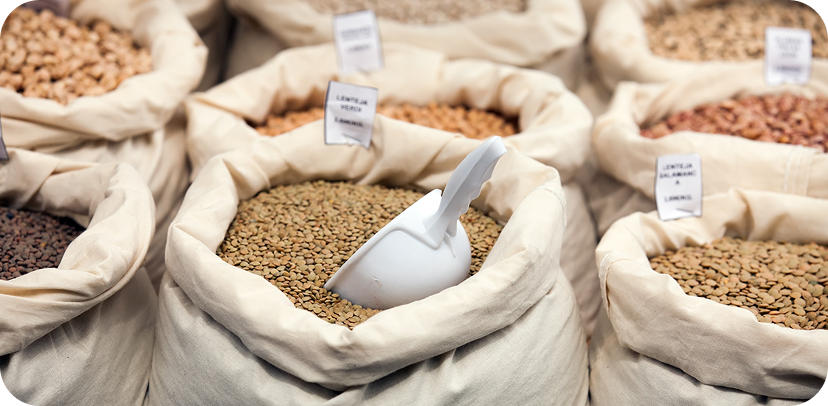
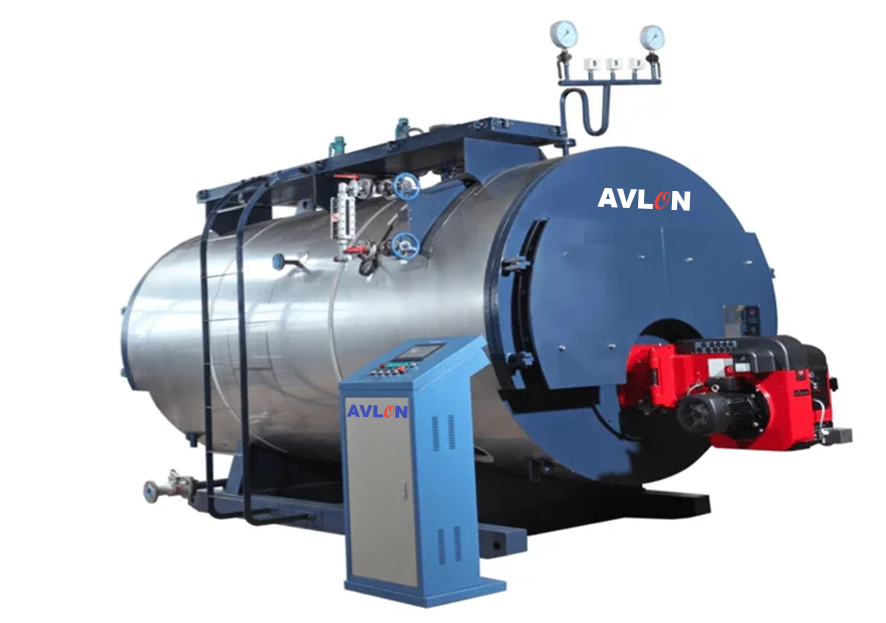
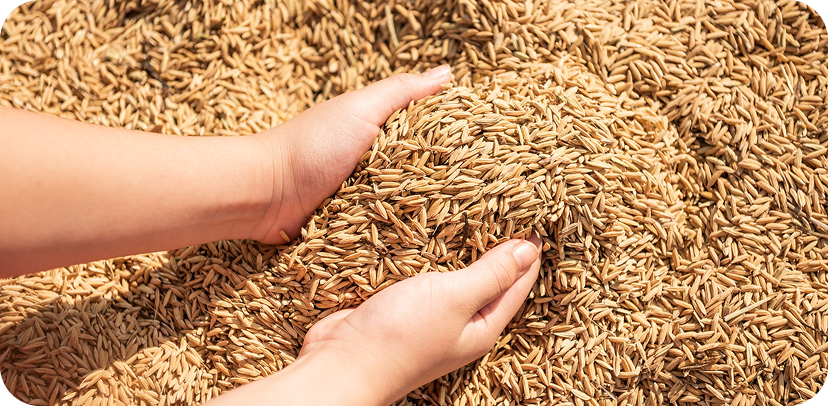
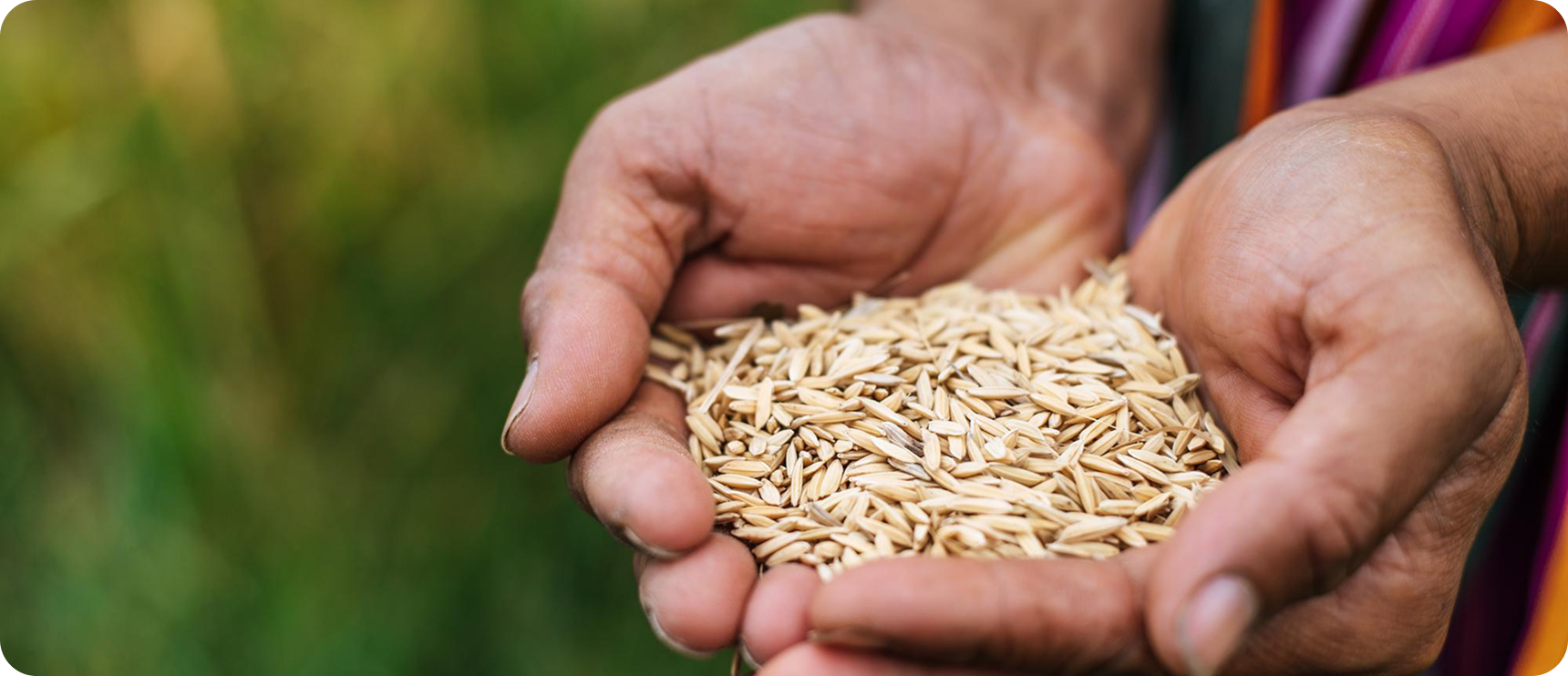
This industry involves cleaning, hulling, polishing, grading, and bagging of rice and cereals. During these operations, water is mainly used for machinery cleaning, boiler operation, and polishing processes. In addition, air pollution is generated from husk handling, drying operations, and dust from milling sections. Therefore, effective control systems are essential for maintaining environmental compliance.
Moreover, wastewater from rice and grain mills contains starch, husk residues, and moderate Biological Oxygen Demand (BOD) of 500–1,500 mg/L. It may also include oil traces from machinery. In addition, Total Suspended Solids (TSS) can reach up to 2,000 mg/L. At the same time, air emissions include fine rice dust, combustion smoke, and particulate matter from chaff burning. As a result, both water and air treatment systems are required.
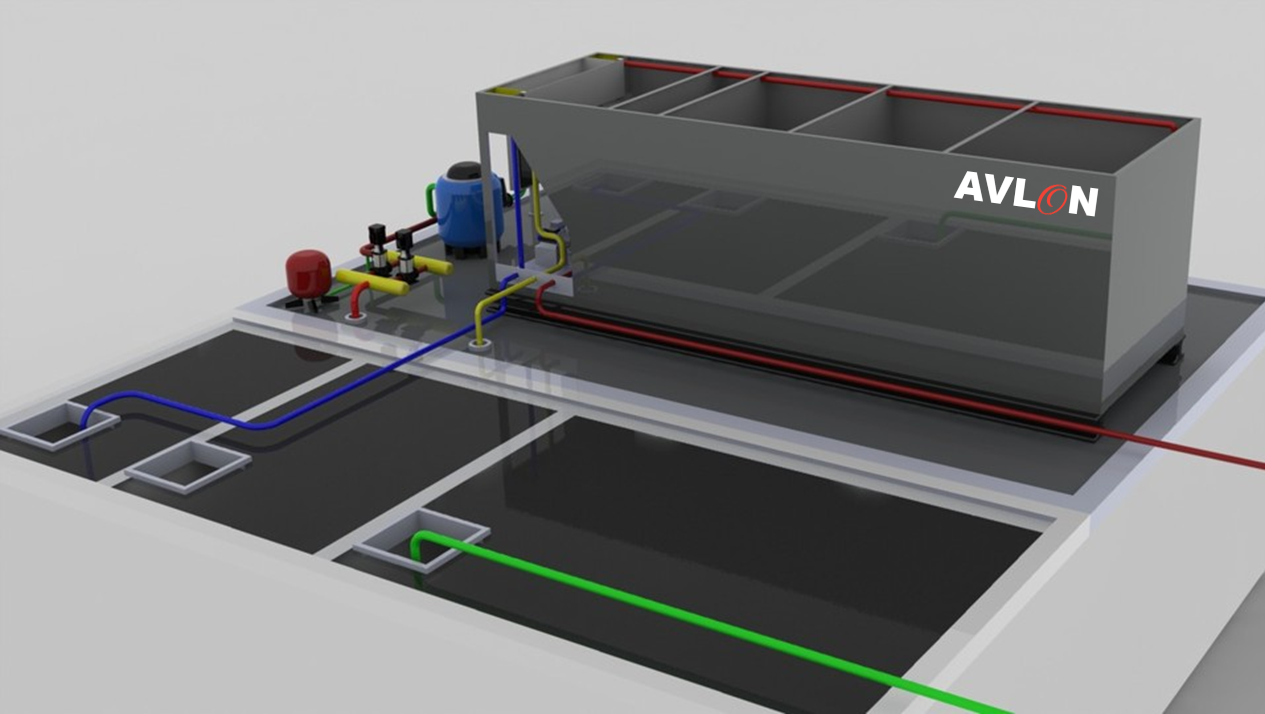
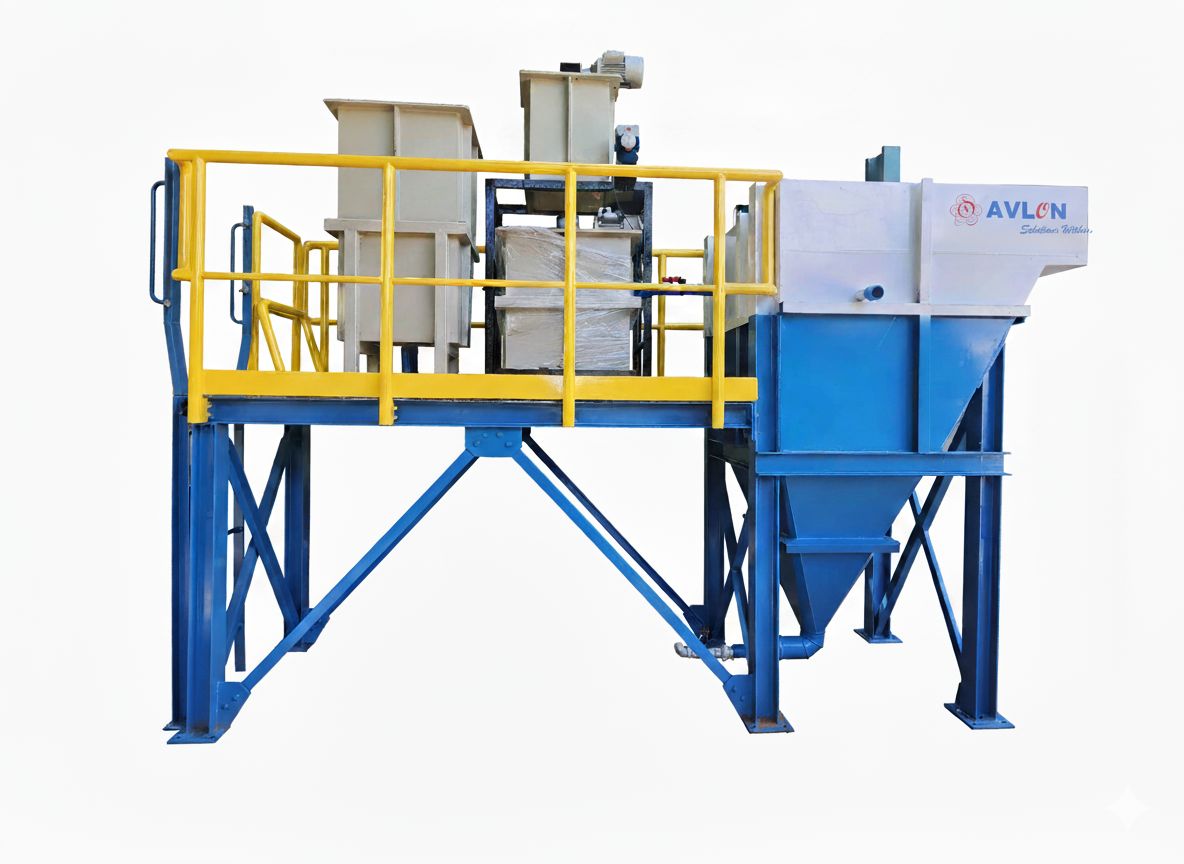
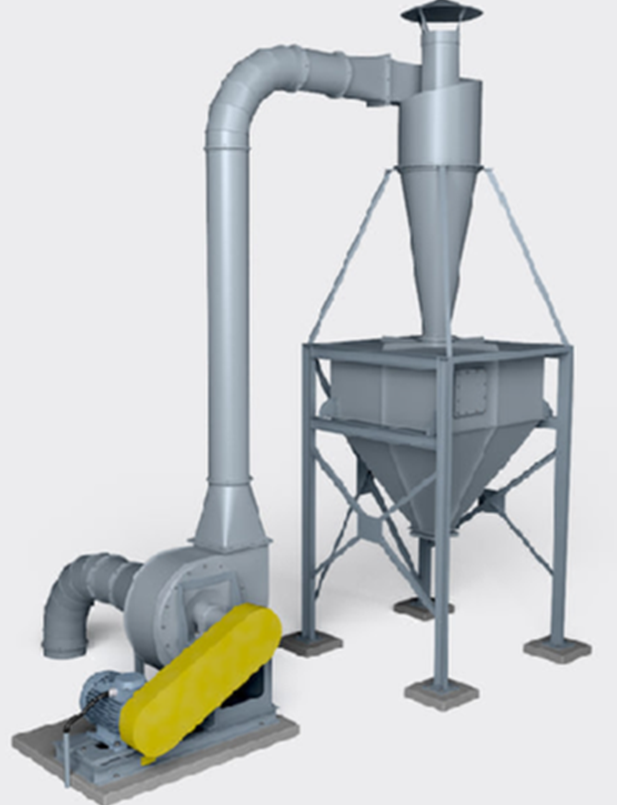
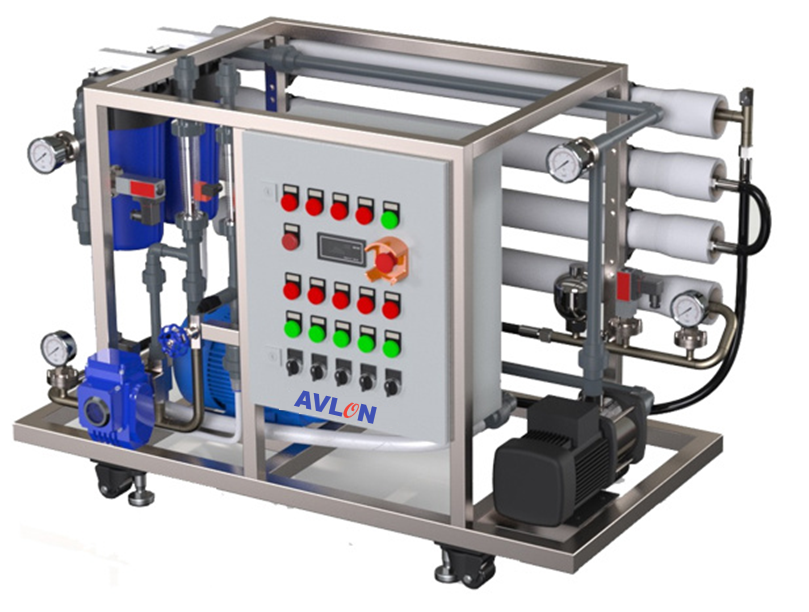
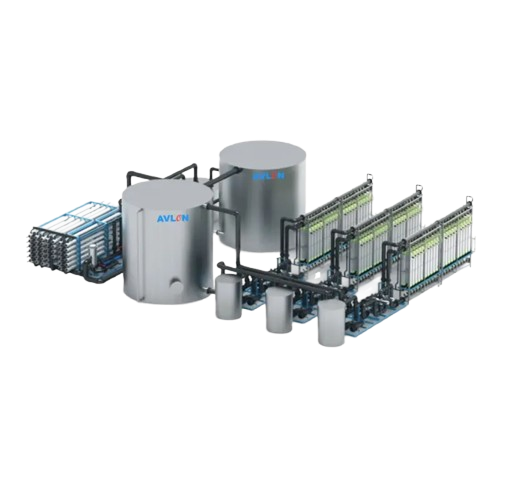
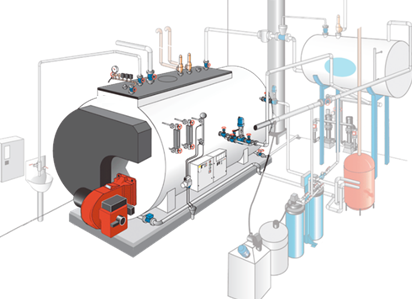
In terms of water treatment, the process begins with an equalization tank to balance flow and load. This is followed by pressure sand filtration to remove suspended solids. Furthermore, activated carbon filtration is used to remove residual organics and improve water quality. For air treatment, cyclone dust collectors and fabric filters are installed to control dust in milling areas and boiler exhaust systems.
Avlon provides pre-engineered wastewater and air treatment solutions tailored for agro-industries. Our systems are designed for energy efficiency, ease of operation, and long-term reliability. In addition, they ensure full compliance with DENR standards. Therefore, Avlon helps optimize pollution control and operational performance. Contact Avlon today to streamline your mill’s environmental management.
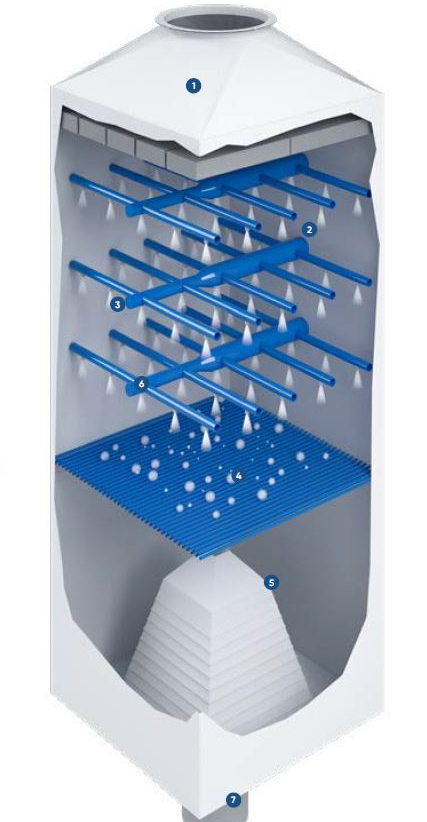
Wet Scrubber Contractor
This industry involves cleaning, hulling, polishing, grading, and bagging of rice and cereals. During these operations, water is mainly used for machinery cleaning, boiler operation, and polishing processes. In addition, air pollution is generated from husk handling, drying operations, and dust from milling sections. Therefore, effective control systems are essential for maintaining environmental compliance.
Moreover, wastewater from rice and grain mills contains starch, husk residues, and moderate Biological Oxygen Demand (BOD) of 500–1,500 mg/L. It may also include oil traces from machinery. In addition, Total Suspended Solids (TSS) can reach up to 2,000 mg/L. At the same time, air emissions include fine rice dust, combustion smoke, and particulate matter from chaff burning. As a result, both water and air treatment systems are required.
In terms of water treatment, the process begins with an equalization tank to balance flow and load. This is followed by pressure sand filtration to remove suspended solids. Furthermore, activated carbon filtration is used to remove residual organics and improve water quality. For air treatment, cyclone dust collectors and fabric filters are installed to control dust in milling areas and boiler exhaust systems.
Avlon provides pre-engineered wastewater and air treatment solutions tailored for agro-industries. Our systems are designed for energy efficiency, ease of operation, and long-term reliability. In addition, they ensure full compliance with DENR standards. Therefore, Avlon helps optimize pollution control and operational performance. Contact Avlon today to streamline your mill’s environmental management.
[caption id="attachment_953" align="alignnone" width="156"]
Wet Scrubber Contractor[/caption]
Contact Us