Poultry & livestock farms
dust collector contractor in Philippines
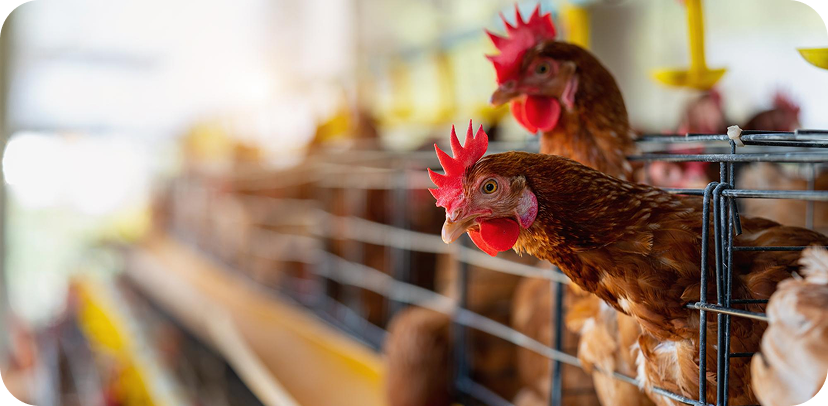
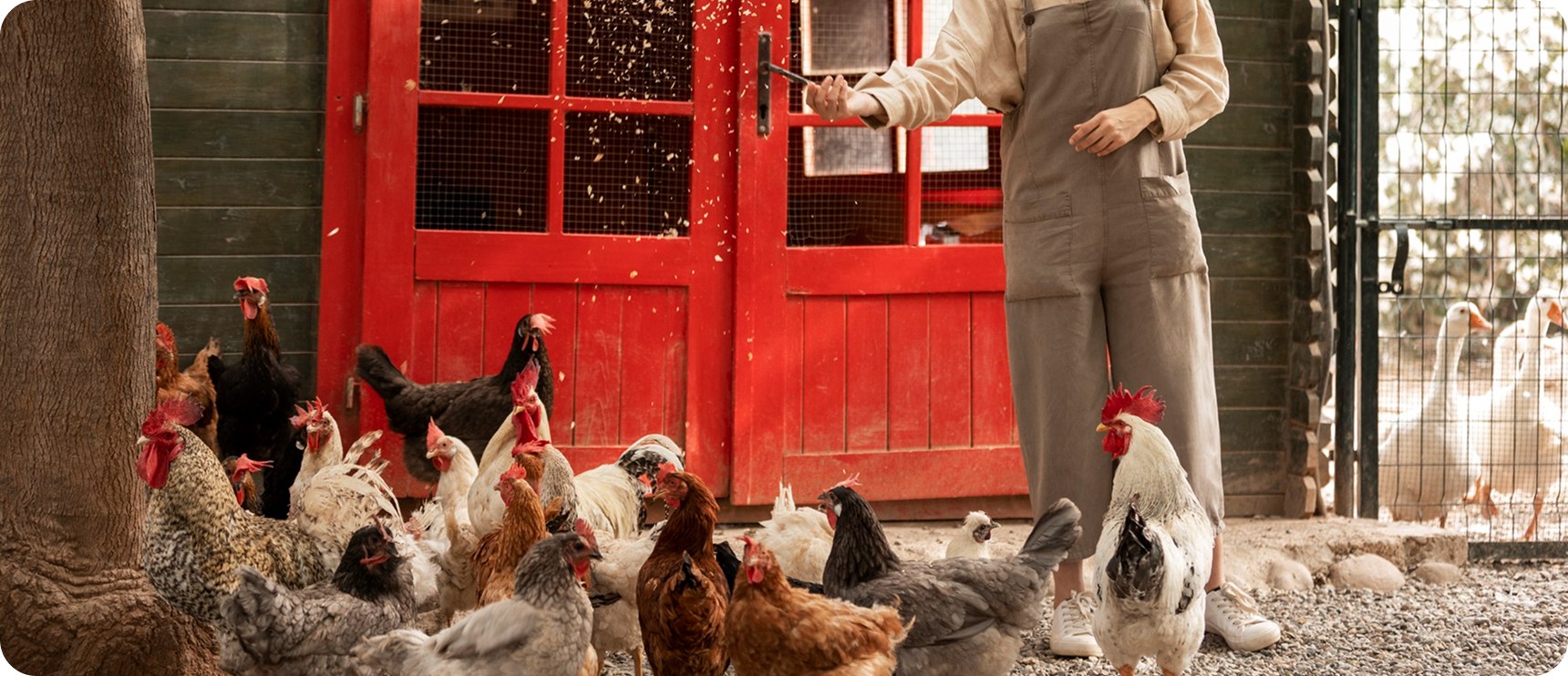
Operations in poultry and livestock facilities include animal rearing, slaughtering, carcass processing, feather removal, and rendering. During these activities, wastewater is generated from blood washings, floor cleaning, and gut handling. In addition, air pollution arises from animal waste decomposition, feather drying, and feed storage. Therefore, effective pollution control is essential for maintaining hygiene and compliance.
Moreover, the effluent typically contains Biological Oxygen Demand (BOD) up to 6,000 mg/L and Chemical Oxygen Demand (COD) up to 10,000 mg/L. It also includes pathogens, fats, oils, and grease (FOG), ammonia, and nitrogen compounds. At the same time, air emissions consist of ammonia vapors, hydrogen sulfide, methane, and strong odors. As a result, advanced treatment systems are required for both water and air streams.
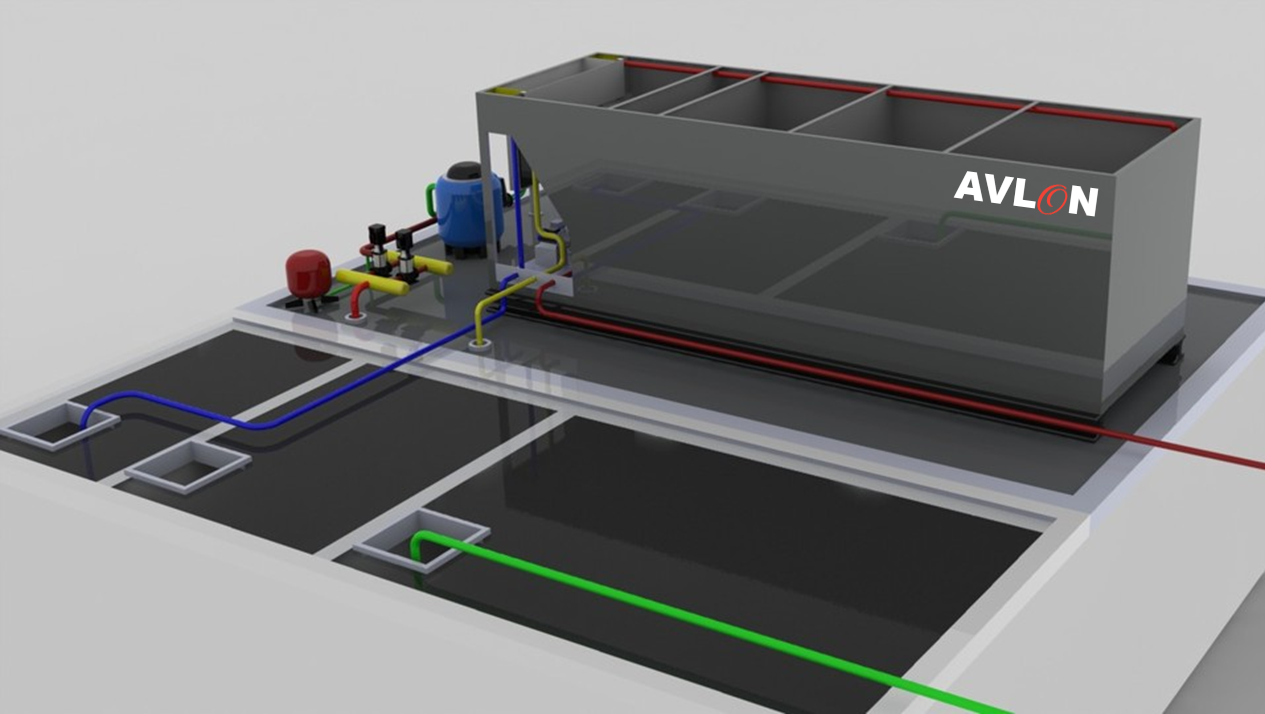
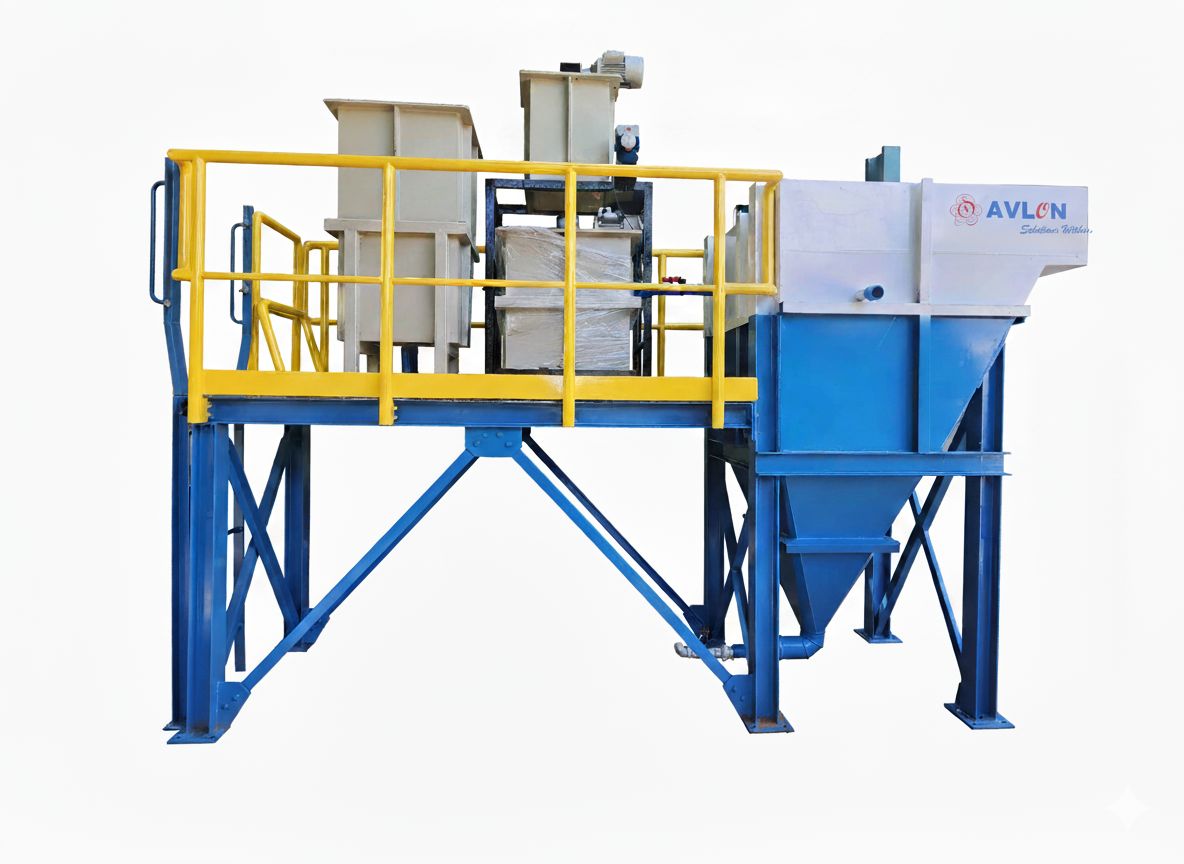
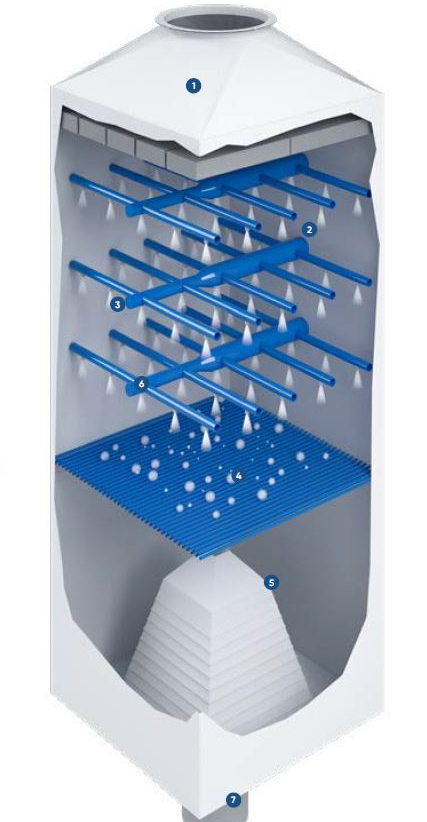
In terms of treatment, the process begins with screening and grease traps to remove solids and fats. This is followed by Dissolved Air Flotation (DAF) for efficient separation of suspended solids and FOG. Furthermore, a Moving Bed Biofilm Reactor (MBBR) is used to biologically reduce organic load. Final disinfection ensures complete pathogen removal. For air treatment, biofilters, acid scrubbers, and activated carbon systems are used to control odors and harmful gases.
Avlon has successfully delivered proven solutions for poultry farms and slaughterhouses. Our systems ensure both high hygiene standards and environmental compliance. In addition, they are designed for durability, efficiency, and ease of operation. Therefore, Avlon helps create cleaner facilities and improves productivity. Partner with Avlon for reliable livestock and poultry pollution control solutions.
dust collector contractor
Operations in poultry and livestock facilities include animal rearing, slaughtering, carcass processing, feather removal, and rendering. During these activities, wastewater is generated from blood washings, floor cleaning, and gut handling. In addition, air pollution arises from animal waste decomposition, feather drying, and feed storage. Therefore, effective pollution control is essential for maintaining hygiene and compliance.
Moreover, the effluent typically contains Biological Oxygen Demand (BOD) up to 6,000 mg/L and Chemical Oxygen Demand (COD) up to 10,000 mg/L. It also includes pathogens, fats, oils, and grease (FOG), ammonia, and nitrogen compounds. At the same time, air emissions consist of ammonia vapors, hydrogen sulfide, methane, and strong odors. As a result, advanced treatment systems are required for both water and air streams.
In terms of treatment, the process begins with screening and grease traps to remove solids and fats. This is followed by Dissolved Air Flotation (DAF) for efficient separation of suspended solids and FOG. Furthermore, a Moving Bed Biofilm Reactor (MBBR) is used to biologically reduce organic load. Final disinfection ensures complete pathogen removal. For air treatment, biofilters, acid scrubbers, and activated carbon systems are used to control odors and harmful gases.
Avlon has successfully delivered proven solutions for poultry farms and slaughterhouses. Our systems ensure both high hygiene standards and environmental compliance. In addition, they are designed for durability, efficiency, and ease of operation. Therefore, Avlon helps create cleaner facilities and improves productivity. Partner with Avlon for reliable livestock and poultry pollution control solutions.
[caption id="attachment_966" align="alignnone" width="230"]
dust collector contractor[/caption]