Industry
Our Industry Solutions
Avlon is a trusted leader in water and air pollution control solutions, offering a comprehensive range of products and services tailored to meet the unique needs of various industries.

Hospitals & healthcare facilities
Hospitals produce wastewater from patient wards, laboratories, surgical rooms, laundries, and pharmacies. Air emissions come from sterilization, incineration, and exhaust systems. Treatment must address both biological and pharmaceutical contaminants.
Hospital wastewater contains BOD (800–2,000 mg/L), COD (2,000–5,000 mg/L), ammonia, chlorine, detergents, antibiotics, and pathogens. Air emissions include pathogenic aerosols, formaldehyde, and anesthetic gases.
Treatment begins with equalization and coarse screening, followed by membrane bioreactor (MBR) technology for high-efficiency biological and pathogen removal. Tertiary disinfection using UV or chlorine ensures safety. Air systems include HEPA filtration, UV disinfection, and odor scrubbers.
Avlon has implemented healthcare-specific treatment systems in private hospitals and public institutions. Our solutions offer medical-grade sanitation and compliance, with remote monitoring options. Ensure a safe environment for patients and staff—trust Avlon’s experience in healthcare pollution control.


Hotels & resorts
Hotels generate wastewater from laundry, kitchens, guest rooms, swimming pools, and landscaping. Air emissions are primarily from cooking areas, boilers, and diesel generators. The challenge is consistent, high-quality treatment with low operator involvement.
Wastewater typically contains BOD (500–1,200 mg/L), COD (800–2,000 mg/L), grease, detergents, microbial load, and residual chlorine. Air pollution is limited to kitchen smoke, odor, and diesel exhaust.
Treatment includes equalization, followed by moving bed biofilm reactors for organic removal. Tertiary filtration using pressure sand and activated carbon filters improves clarity and odor. Kitchen fumes are handled with wet scrubbers, grease traps, and electrostatic precipitators.
Avlon’s compact, containerized systems are ideal for resorts with space constraints and high aesthetic standards. Let Avlon help you meet your sustainability goals while ensuring luxury service quality.
Feed manufacturing industry
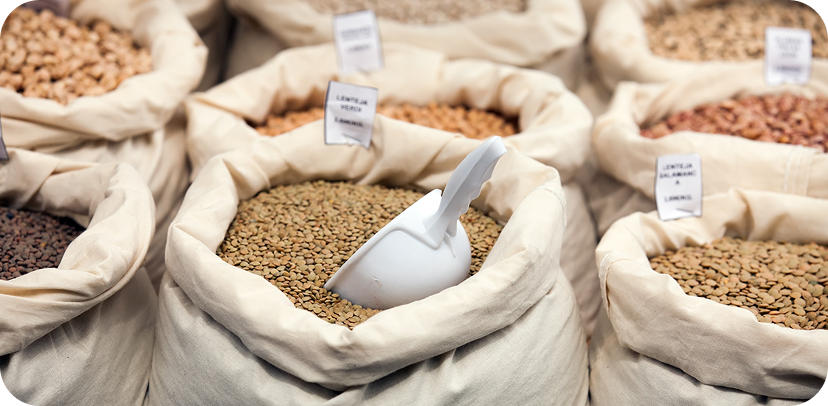
Feed mills grind, mix, and pelletize ingredients to manufacture animal feed. Pollution arises from handling raw ingredients, oil-based additives, and cleaning operations. Air emissions come from grinding, pellet cooling, and material handling.
Wastewater contains moderate BOD (500–1,000 mg/L), grease, organic fines, and trace heavy metals from additives. Air pollution includes grain dust, mold spores, and odor from oils or premixes.
Water is treated using oil separation units, sand filtration, and carbon filters for residual odor. Air treatment includes cyclone separators, fabric filters, and dust suppression systems at material transfer points.
Avlon supplies turnkey air filtration and water treatment solutions for feed mills with modular layouts and robust construction. Improve air quality and prevent wastewater issues—reach out to Avlon for feed industry compliance.

Poultry & livestock farms
Operations include animal rearing, slaughtering, carcass processing, feather removal, and rendering. Wastewater is generated from blood washings, floor cleaning, and gut handling. Air pollution arises from animal waste decomposition, feather drying, and feed storage.
Effluent often contains BOD up to 6,000 mg/L, COD up to 10,000 mg/L, pathogens, fats, oils, and grease (FOG), ammonia, and nitrogen compounds. Air pollution includes ammonia vapors, hydrogen sulfide, methane, and noxious odors.
Treatment starts with screening and grease traps, followed by dissolved air flotation (DAF) to remove solids and fats. A moving bed biofilm reactor (MBBR) biologically reduces organic load. Final disinfection ensures pathogen removal. Air emissions are treated with biofilters, acid scrubbers, and activated carbon beds to remove odors and gases.
Avlon has delivered proven solutions to poultry farms and slaughterhouses, ensuring both hygiene and environmental compliance. Ensure cleaner farms and better productivity—choose Avlon today.
Rice & grain milling
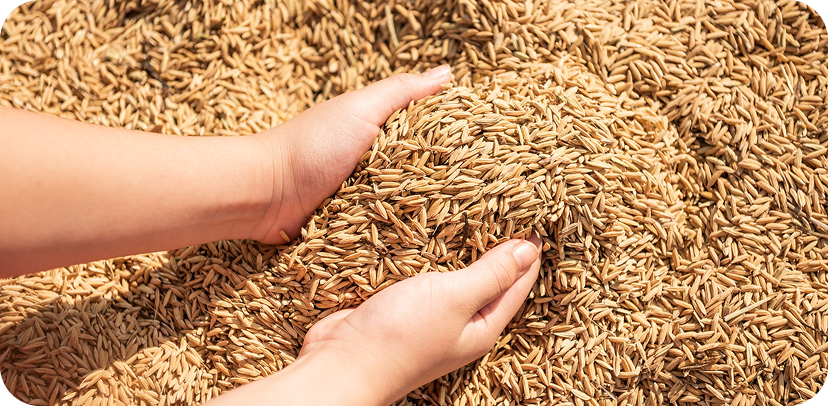
This industry involves cleaning, hulling, polishing, grading, and bagging of rice and cereals. Water is mainly used in machinery cleaning, boiler operations, and polishing. Air pollution is generated from husk handling, drying, and dust from milling sections.
Wastewater includes starch, husk residues, moderate BOD (500–1,500 mg/L), and occasional oil from mechanical systems. TSS can be as high as 2,000 mg/L. Air emissions include fine rice dust, combustion smoke, and particulate matter from chaff burning.
Effluent is treated using equalization tanks, followed by pressure sand filtration for suspended solids and activated carbon filters for organics. For air, cyclone dust collectors and fabric filters ensure clean air in milling zones and boiler exhaust.
Avlon supplies pre-engineered wastewater and air handling units ideal for agro-industries. Our systems are energy-efficient, easy to operate, and fully compliant with DENR standards. Let Avlon streamline your mill’s pollution control—contact us now.
Mining & quarrying industry
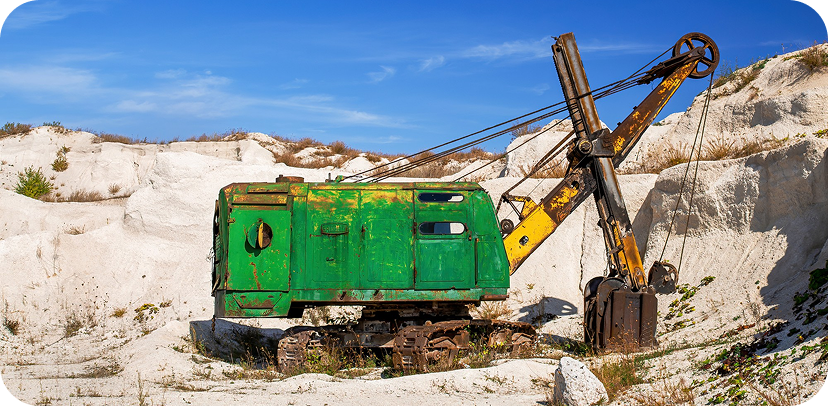
Mining and quarrying operations involve blasting, excavation, ore washing, crushing, and material hauling. These activities produce wastewater primarily through dust suppression, washing, and equipment cooling. Air pollution results from heavy machinery movement, rock crushing, and fuel combustion.
Wastewater is typically characterized by high TSS (up to 5,000 mg/L), low pH (as low as 3) due to acid mine drainage, and presence of heavy metals such as iron, manganese, arsenic, and sulfates. Air emissions include fine silica dust, diesel soot, and NOx.
Water treatment includes settling tanks, pH neutralization with lime, and pressure sand filtration to remove solids and metals. Activated carbon filters further remove trace contaminants. Dust is controlled using cyclone separators, fabric bag filters, and water misting systems at loading points.
Avlon provides rugged, low-maintenance air and water treatment systems designed for remote mining environments. Build your site on strong environmental foundations—work with Avlon today.
Detergents & personal care products
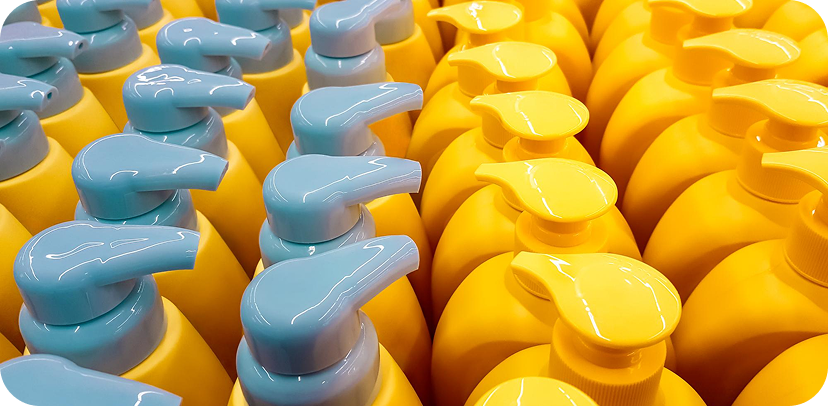
This industry involves blending, saponification, emulsification, and packaging of soaps, shampoos, cleaners, and cosmetics. Wastewater is generated from batch cleaning, floor washing, and raw material handling. Air emissions arise from volatile fragrances, chemical mixing, and heating processes.
Wastewater typically has BOD levels of 1,500–5,000 mg/L, COD up to 8,000 mg/L, Total Suspended Solids (TSS) of 1,000–3,000 mg/L, and elevated levels of anionic surfactants, color, foaming agents, and fragrance oils. The pH can range from 4 to 10. Air emissions may contain volatile organic compounds (VOCs), misting agents, and synthetic fragrance vapors.
A robust treatment system includes equalization tanks for flow and load balancing, dissolved air flotation (DAF) to remove oils and foaming agents, followed by moving bed biofilm reactor (MBBR) to biologically treat BOD and COD. Activated carbon filtration is used to remove surfactants and fragrances. Air is treated using activated carbon scrubbers and odor control units.
Avlon has installed treatment systems for detergent and cosmetic plants across the Philippines, offering turnkey solutions with compact layouts and automated control. Let Avlon help your brand stay clean—both environmentally and operationally.
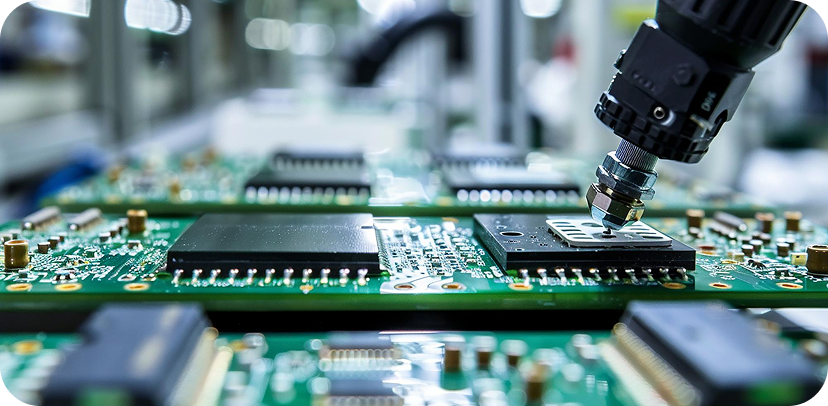
Electronics & semiconductors industry
This industry involves wafer fabrication, etching, plating, doping, and packaging, using ultrapure water and precise chemicals. Wastewater is generated from rinsing, chemical etching, and equipment cleaning, while air emissions occur from acid baths, fume hoods, and wet benches.
Effluents contain COD up to 5,000 mg/L, TDS exceeding 15,000 mg/L, fluoride, ammonia, heavy metals (copper, lead, arsenic), and residual solvents. pH varies widely due to acids and alkalis. Air pollutants include acid fumes (HF, HCl), solvent vapors, and particulate matter.
Treatment starts with neutralization tanks, followed by electrocoagulation and heavy metal precipitation, then ultrafiltration or reverse osmosis for polishing. Air treatment includes wet acid gas scrubbers, activated carbon beds, and HEPA filtration systems for cleanroom exhaust.
Avlon is a leading solution provider for the high-tech manufacturing sector, with specialized knowledge in semiconductor-grade water and air quality systems. Contact us today for high-precision, low-risk pollution control.
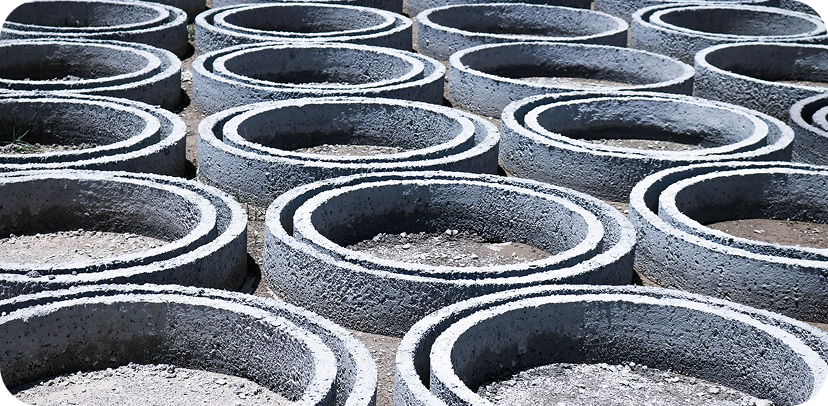
Cement & construction materials industry
Cement manufacturing involves crushing, grinding, heating of raw materials, and clinker formation in kilns, followed by mixing and bagging. While water is used minimally, wash-down processes, dust suppression, and cooling generate wastewater. Air pollution results from kiln operations, material handling, and grinding.
Wastewater typically has high Total Suspended Solids (TSS) of 1,000–5,000 mg/L, elevated pH (11–13) due to lime, and traces of chromium and sulfate. Air emissions are rich in particulate matter (PM10/PM2.5), nitrogen oxides (NOx), sulfur dioxide (SO₂), and CO₂ from combustion.
Water treatment uses pH correction and sedimentation tanks for solid removal and neutralization. Air pollution control involves cyclone dust collectors, fabric baghouse filters, and selective non-catalytic reduction (SNCR) systems for NOx removal.
Avlon has supplied high-efficiency dust collection and water neutralization systems to major cement plants. Our rugged equipment handles high dust loads and harsh conditions with minimal maintenance. Partner with Avlon to clean your air and reuse your water—start today.
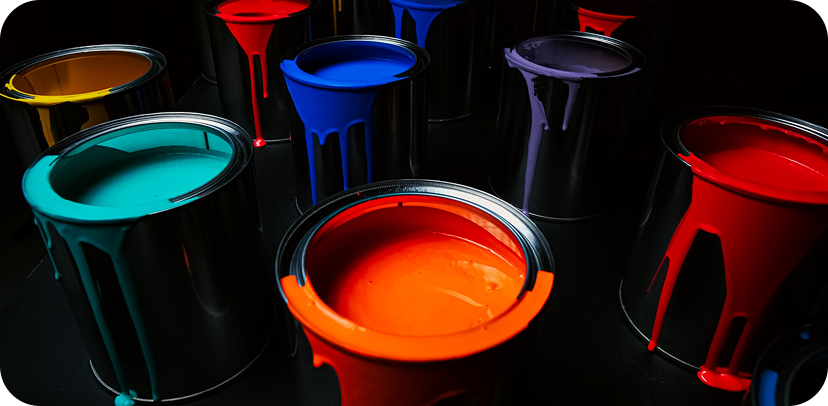
Paints & coatings industry
This industry involves pigment mixing, resin blending, solvent addition, and packaging of paint and coating materials. Wastewater is created from equipment washing, floor cleaning, and rejected batches. Air pollution arises from solvent evaporation, VOC release, and pigment handling.
Wastewater can contain COD levels up to 25,000 mg/L, BOD around 8,000 mg/L, TSS over 3,000 mg/L, and hazardous solvents, pigments, phthalates, and heavy metals like lead, chromium, and zinc. Air emissions are dominated by Volatile Organic Compounds (VOCs), including xylene, toluene, formaldehyde, and odorous hydrocarbons.
A strong treatment line begins with Equalization, followed by Electrocoagulation for pigment and metal removal, then Advanced Oxidation Process (AOP) to break down complex organics. For final polishing, sand filtration and carbon filtration are applied. VOC-laden air is treated using Activated Carbon Filters, wet scrubbers, and explosion-proof ventilation systems.
Avlon specializes in handling solvent-rich wastewater and high-VOC air emissions with tailored chemical-resistant designs. With numerous installations in paint and coating plants, we ensure full environmental compliance and operational safety. Consult our team today to design your zero-failure pollution control system.
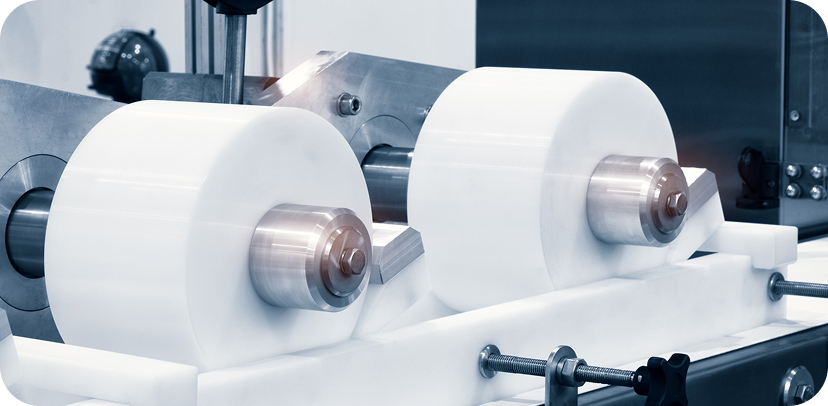
Pulp & paper industry
The pulp and paper industry uses wood fiber, water, and chemicals to produce paper products through pulping, bleaching, screening, and drying. These processes consume vast water quantities and generate high-strength wastewater and exhaust gases from chemical pulping and recovery operations.
Wastewater from this sector may reach COD levels of 12,000 mg/L, BOD up to 6,000 mg/L, TSS exceeding 4,000 mg/L, and carry chlorinated organics, sulfides, lignin, and phenolic compounds. The pH may fluctuate due to caustic soda and bleaching agents. Air pollutants include sulfur dioxide (SO₂), hydrogen sulfide (H₂S), particulate matter, and volatile organics.
Treatment begins with primary sedimentation for bulk solids removal, followed by biological treatment (aerobic MBBR or anaerobic digestion) to reduce BOD/COD. A tertiary polishing step with Activated Carbon or sand filtration handles residual color and organics. Air is treated through multi-stage wet scrubbers, bag filters, and acid gas absorbers.
Avlon has installed high-capacity treatment systems for paper mills with large hydraulic loads. Our solutions emphasize durability, automation, and environmental compliance, ensuring your operations are safe and efficient. Connect with Avlon for a custom-built system that matches your flow and pollutant profile.

Textile & Garment industry
Textile and garment manufacturing involves desizing, scouring, bleaching, dyeing, printing, and finishing of fabrics—each process using large volumes of water and chemicals. Wastewater is generated through fabric washing, chemical baths, and rinsing. Air pollution occurs from dye drying, printing fumes, and steam boilers.
The effluent from textile plants can exhibit COD levels up to 10,000 mg/L, BOD up to 5,000 mg/L, color intensity, pH as low as 3 or as high as 11, and high concentrations of sodium sulfate, surfactants, heavy metals (e.g., chromium from dyes), and oil and grease. Air emissions include formaldehyde vapors, ammonia, and volatile dye particles.
Effective wastewater treatment begins with Equalization and pH neutralization, followed by Electrocoagulation to remove color and suspended dyes. This is followed by biological treatment using Moving Bed Biofilm Reactors (MBBR) to remove BOD and COD. Finally, Activated Carbon Filtration polishes the water by removing residual organics and odor. Air emissions are treated using chemical scrubbers, odor control units, and mist eliminators for dye vapors.
Avlon brings deep expertise in handling complex textile wastewater with high variability. Our modular and skid-mounted systems are trusted by leading textile mills in the Philippines and Southeast Asia. Speak to Avlon today to upgrade your plant with smart, compliant environmental technology.
Chemicals & petrochemicals industry
This industry involves a wide range of unit operations such as distillation, blending, extraction, neutralization, and reaction chemistry. These processes generate hazardous wastewater from reactor washings, floor drains, and batch losses, and polluted air from chemical storage, handling, and combustion.
Wastewater may contain COD levels up to 30,000 mg/L, BOD up to 10,000 mg/L, TDS exceeding 20,000 mg/L, heavy metals like lead, arsenic, zinc, phenols, cyanides, and residual hydrocarbons. pH levels can be extremely acidic or basic. Air pollutants include hydrogen sulfide (H₂S), chlorine, ammonia, acid mists, and explosive vapors.
An integrated treatment system starts with Electrocoagulation for heavy metal and colloid removal. It is followed by chemical oxidation (e.g., sodium hypochlorite, hydrogen peroxide) to degrade refractory organics. A Moving Bed Biofilm Reactor (MBBR) system can be used for biological polishing. Treated water may be further filtered through activated carbon or reverse osmosis for reuse. Air is best treated using multi-stage scrubbers, mist eliminators, and spark arrestors.
Avlon has executed turnkey solutions for large-scale chemical facilities across Southeast Asia. Our expertise in hazardous wastewater and air management ensures safety, efficiency, and strict compliance with environmental laws. Reach out to Avlon for tailored, high-performance systems that meet your operational challenges.
Pharmaceutical industry
Pharmaceutical manufacturing involves chemical synthesis, mixing, extraction, and formulation, all of which generate significant water and air pollution due to solvent use, bioactive ingredients, and sterilization processes. Wastewater is produced from cleaning of reactors, floor washings, filtration systems, and reject streams, while air emissions result from drying, heating, and chemical handling
Wastewater from pharma units can have COD levels as high as 20,000 mg/L, BOD up to 8,000 mg/L, TDS (Total Dissolved Solids) exceeding 10,000 mg/L, and traces of antibiotics, hormones, solvents, and heavy metals like chromium and mercury. pH may vary widely. Air pollutants include Volatile Organic Compounds (VOCs), acid vapors, and toxic fumes from solvents and drug intermediates.
The recommended treatment scheme includes Electrocoagulation to destabilize and remove colloidal and metallic contaminants, followed by Advanced Oxidation Process (AOP) such as ozone or Fenton’s reaction to degrade complex pharmaceutical residues. A Moving Bed Biofilm Reactor (MBBR) then ensures removal of biological load and suspended solids. For air treatment, acid gas scrubbers, activated carbon filters, and HEPA units help in removing VOCs, dust, and bioaerosols.
Avlon is a trusted provider of pharma-grade wastewater and air pollution control solutions, with installations across leading manufacturing clusters. Our systems are engineered for high sensitivity and precision, offering long-term durability and low operating costs. Consult with Avlon today to ensure pharmaceutical-grade environmental compliance.
Food & beverage industry
The food and beverage industry consumes large volumes of water during washing, cooking, fermentation, cleaning, and packaging. These activities generate high loads of wastewater and air emissions due to organic waste, oils, cleaning chemicals, and combustion from boilers or ovens. Improperly managed, these pollutants can significantly impact public health and the environment.
Wastewater from food processing often contains Biochemical Oxygen Demand (BOD) ranging from 2,000 to 5,000 mg/L, Chemical Oxygen Demand (COD) up to 8,000 mg/L, Total Suspended Solids (TSS) of 1,000 to 3,000 mg/L, and high levels of fats, oils, and grease (FOG). The pH can be acidic or alkaline depending on cleaning cycles. Air pollution includes particulate matter, combustion gases (CO, NOx), and odorous organic vapors.
The ideal wastewater treatment starts with Dissolved Air Flotation (DAF) to remove FOG and suspended solids. This is followed by biological treatment using Moving Bed Biofilm Reactor (MBBR) to biologically degrade BOD and COD. Tertiary treatment with Activated Carbon Filtration helps in removing residual organics and odor. For air pollution, wet scrubbers and cyclone dust collectors are used to remove particulates and neutralize odorous gases.
Avlon has decades of experience in designing, supplying, and installing wastewater and air treatment systems across major food processing facilities in the Philippines. Our modular, automated, and compact treatment units ensure full compliance with DENR DAO 2016-08 and RA 8749 Clean Air Act. Partner with Avlon today and future-proof your operations.

Solutions Within...!! Delivering Clean Water, Clean Air, & Reliable Energy Solutions
Connect with Avlon Inc for reliable energy and environmental engineering solutions designed to improve efficiency, ensure compliance, and support your long-term growth.
Request a Consultation