Hospitals & healthcare facilities
MBBR STP contractor in Philippines
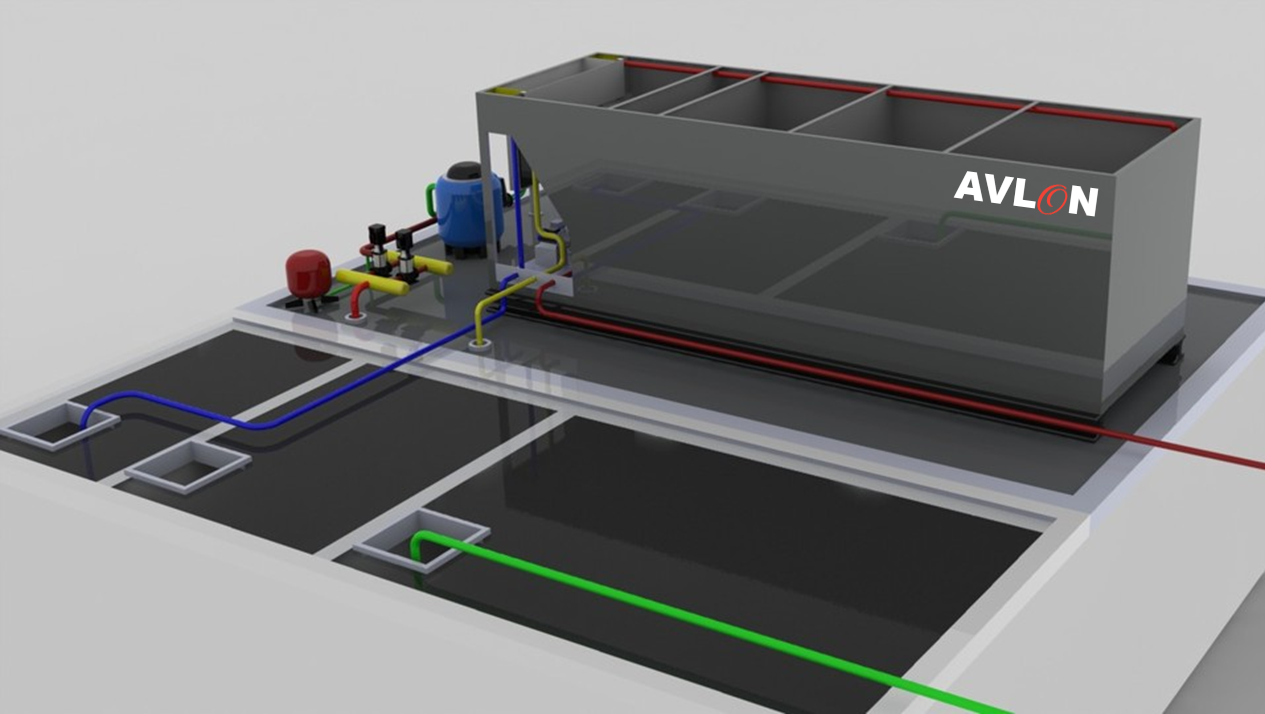
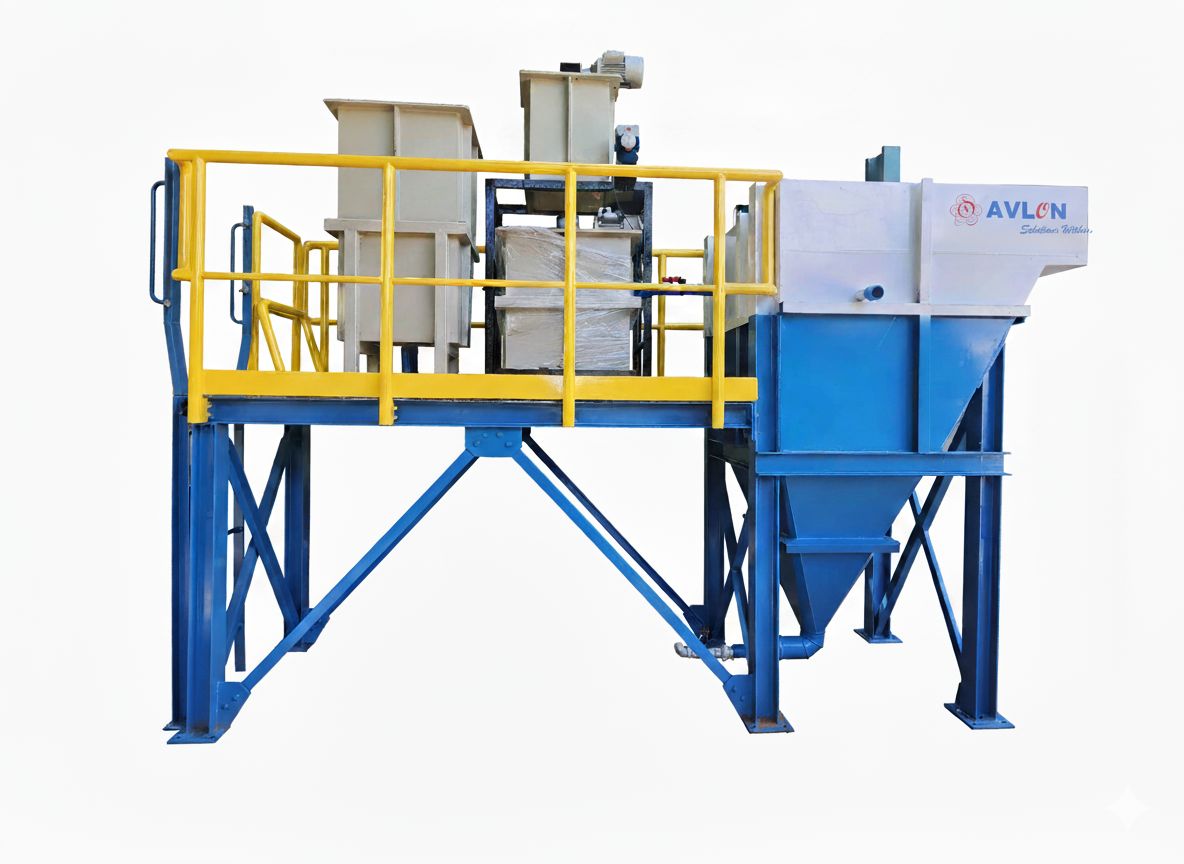
Hospitals generate wastewater from patient wards, laboratories, surgical rooms, laundries, and pharmacies. In addition, air emissions arise from sterilization units, incineration processes, and HVAC exhaust systems. Therefore, treatment systems must address both biological and pharmaceutical contaminants. Moreover, hospital wastewater typically contains Biological Oxygen Demand (BOD) of 800–2,000 mg/L and Chemical Oxygen Demand (COD) of 2,000–5,000 mg/L. It also includes ammonia, chlorine, detergents, antibiotics, and pathogens. At the same time, air emissions may contain pathogenic aerosols, formaldehyde, and anesthetic gases. As a result, advanced treatment is essential to ensure safety and compliance. In terms of treatment, the process begins with equalization and coarse screening. This is followed by Membrane Bioreactor (MBR) technology, which provides high-efficiency removal of organic pollutants and pathogens. Furthermore, tertiary disinfection using ultraviolet (UV) or chlorination ensures complete microbial inactivation. For air treatment, systems such as HEPA filtration, UV disinfection, and wet scrubbers are used to control contaminants and odors. Avlon has extensive experience in delivering healthcare-specific treatment solutions. We have successfully implemented systems in both private hospitals and public institutions. In addition, our solutions offer medical-grade sanitation, regulatory compliance, and remote monitoring capabilities. Therefore, Avlon ensures a safe and hygienic environment for patients and staff. Partner with Avlon for reliable healthcare pollution control solutions.MBBR STP contractor
Hospitals generate wastewater from patient wards, laboratories, surgical rooms, laundries, and pharmacies. In addition, air emissions arise from sterilization units, incineration processes, and HVAC exhaust systems. Therefore, treatment systems must address both biological and pharmaceutical contaminants.
Moreover, hospital wastewater typically contains Biological Oxygen Demand (BOD) of 800–2,000 mg/L and Chemical Oxygen Demand (COD) of 2,000–5,000 mg/L. It also includes ammonia, chlorine, detergents, antibiotics, and pathogens. At the same time, air emissions may contain pathogenic aerosols, formaldehyde, and anesthetic gases. As a result, advanced treatment is essential to ensure safety and compliance.
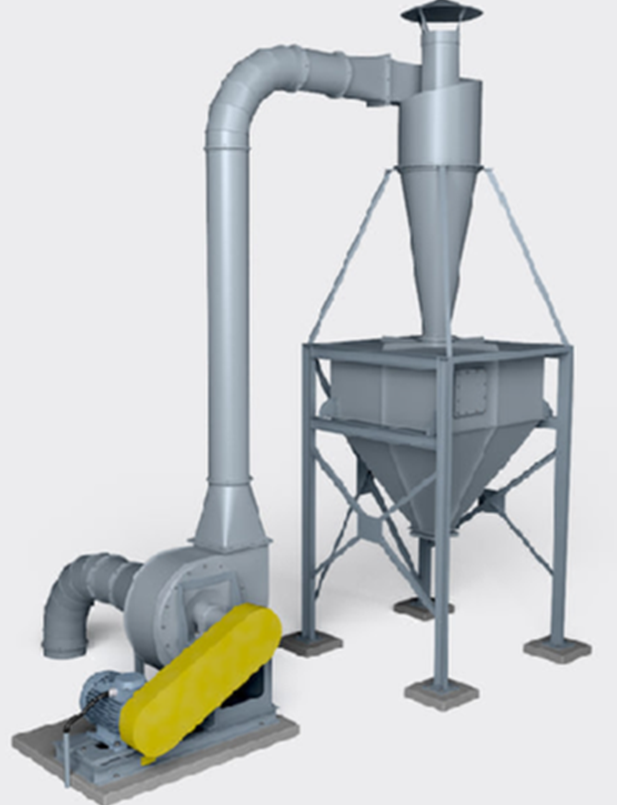
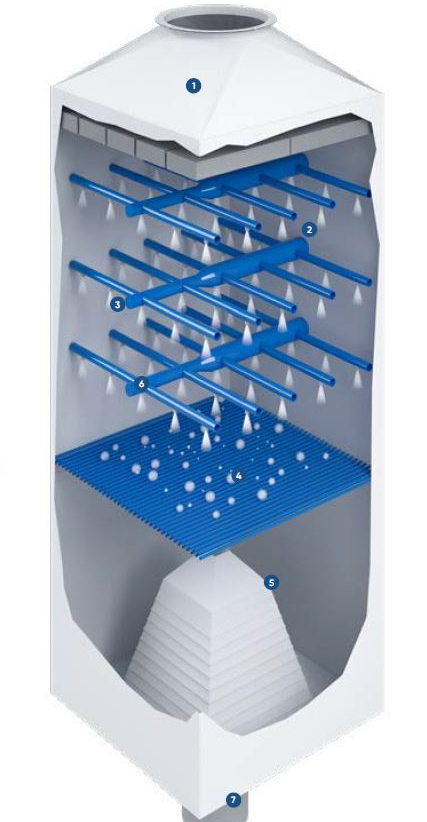
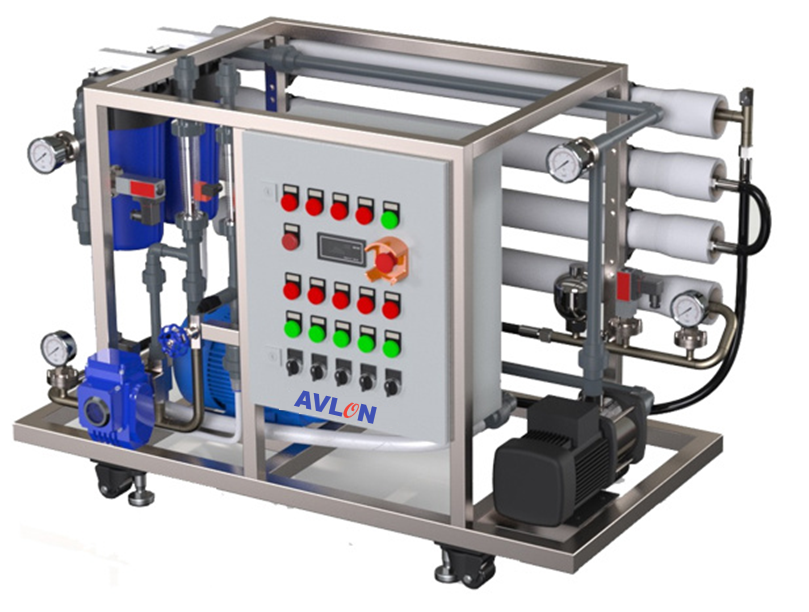
In terms of treatment, the process begins with equalization and coarse screening. This is followed by Membrane Bioreactor (MBR) technology, which provides high-efficiency removal of organic pollutants and pathogens. Furthermore, tertiary disinfection using ultraviolet (UV) or chlorination ensures complete microbial inactivation. For air treatment, systems such as HEPA filtration, UV disinfection, and wet scrubbers are used to control contaminants and odors.
Avlon has extensive experience in delivering healthcare-specific treatment solutions. We have successfully implemented systems in both private hospitals and public institutions. In addition, our solutions offer medical-grade sanitation, regulatory compliance, and remote monitoring capabilities. Therefore, Avlon ensures a safe and hygienic environment for patients and staff. Partner with Avlon for reliable healthcare pollution control solutions.
[caption id="attachment_1047" align="alignnone" width="300"]
MBBR STP contractor[/caption]
Contact Us