Cement & construction materials industry
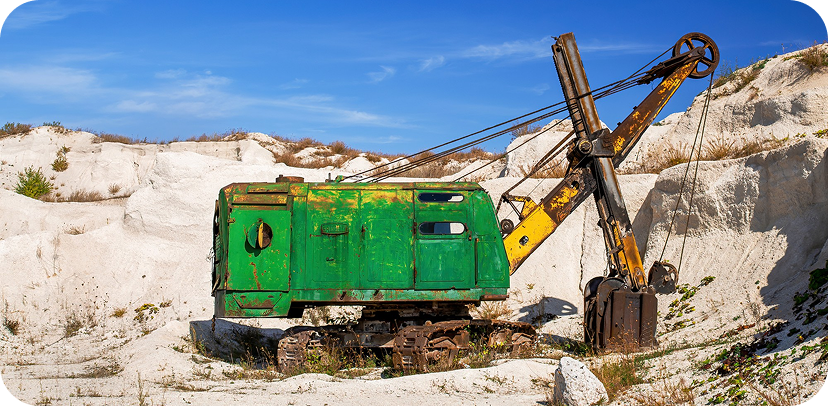
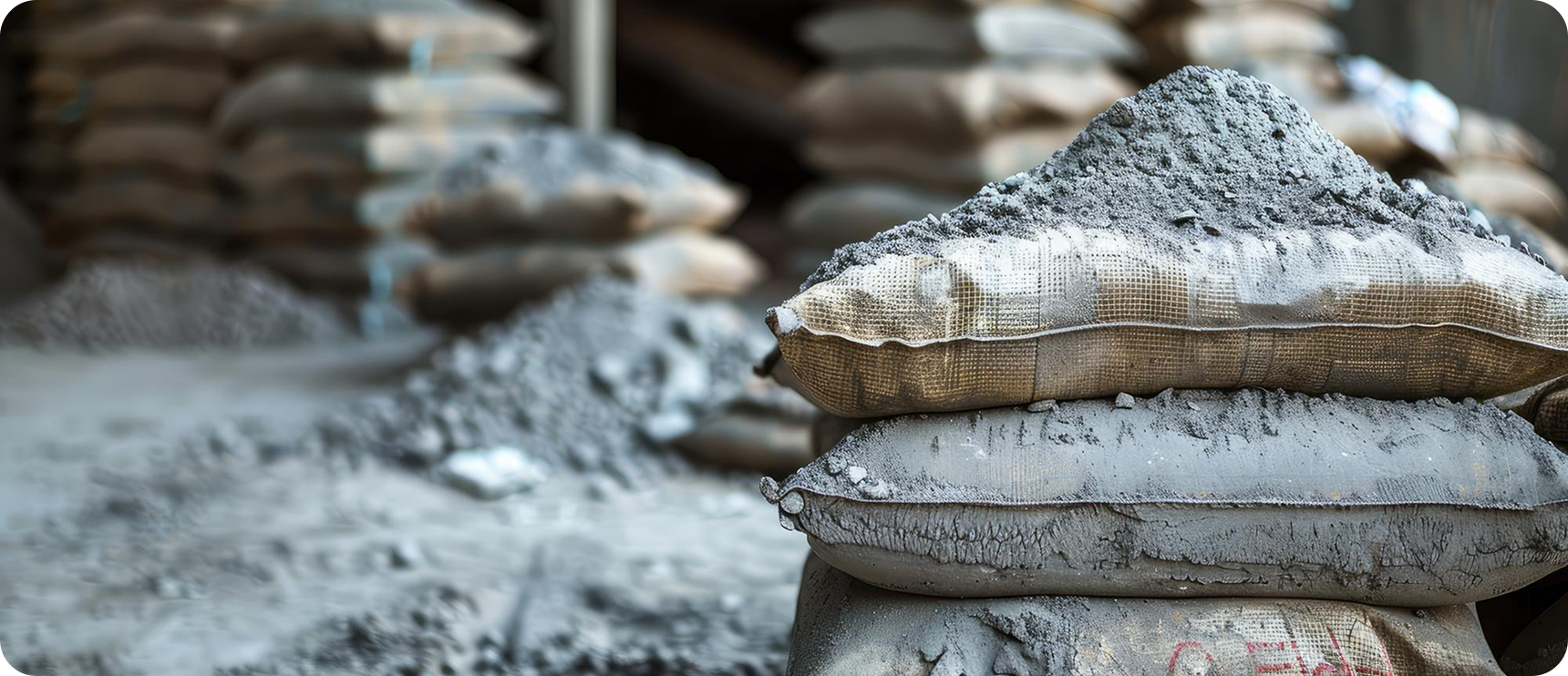
Cement manufacturing involves crushing, grinding, heating of raw materials, and clinker formation in kilns, followed by mixing and bagging. Although water use is limited, wastewater is generated from wash-down activities, dust suppression, and cooling processes. In addition, air pollution arises from kiln operations, material handling, and grinding units. Therefore, effective pollution control systems are essential for sustainable operations.
Moreover, wastewater typically contains Total Suspended Solids (TSS) of 1,000–5,000 mg/L. It also has high pH levels ranging from 11 to 13 due to lime content. In addition, traces of chromium and sulfate may be present. At the same time, air emissions include particulate matter (PM10 and PM2.5), nitrogen oxides (NOx), sulfur dioxide (SO₂), and carbon dioxide (CO₂). As a result, both water and air treatment systems are critical for compliance.
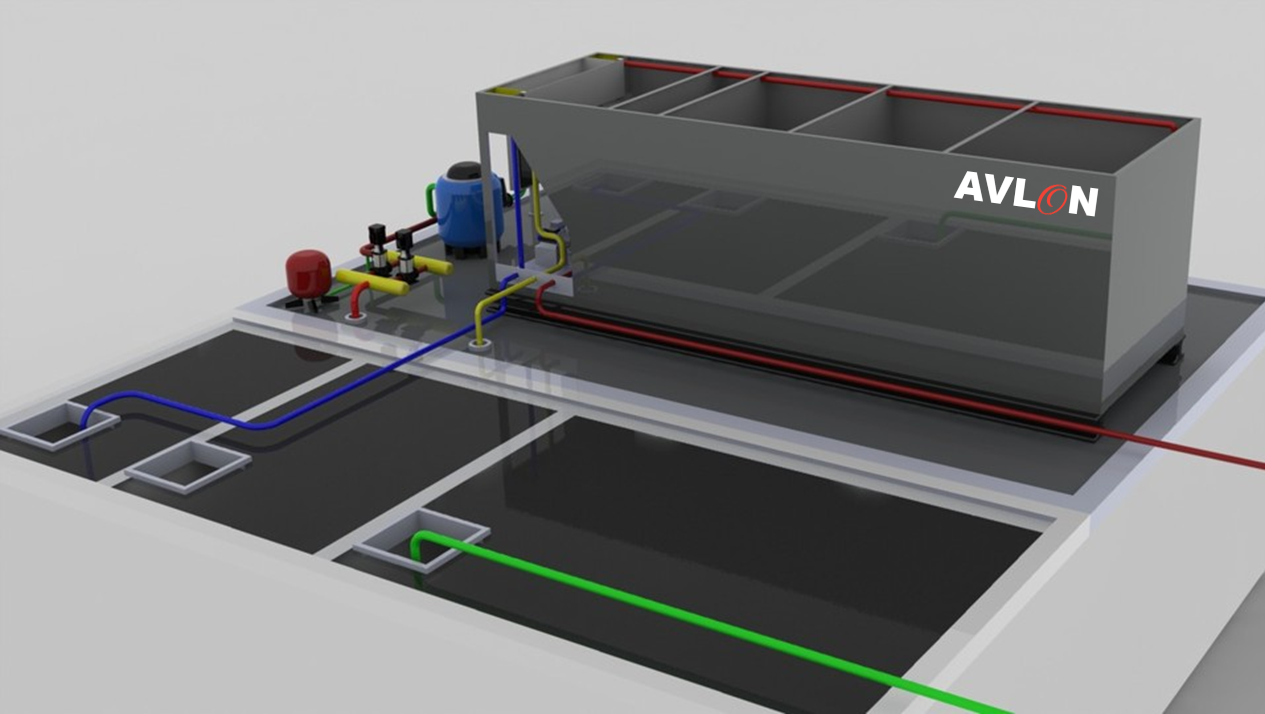
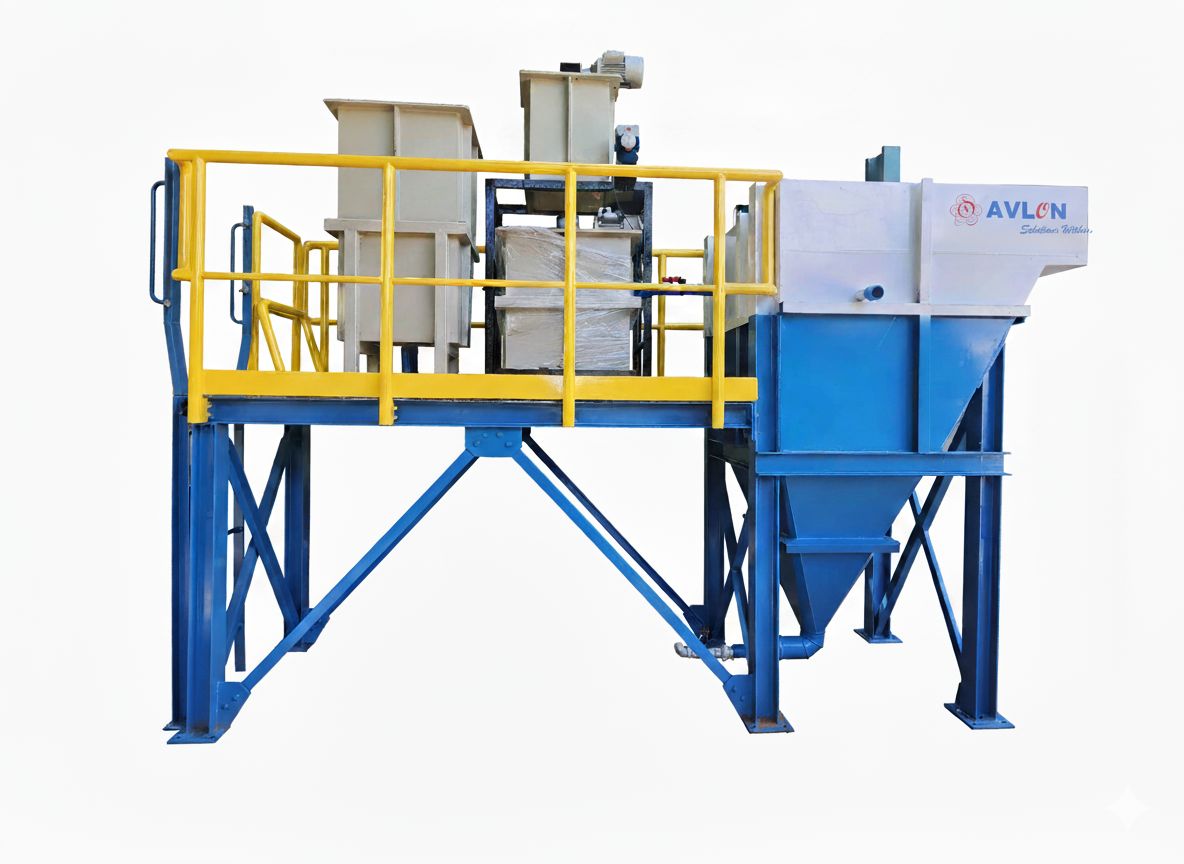
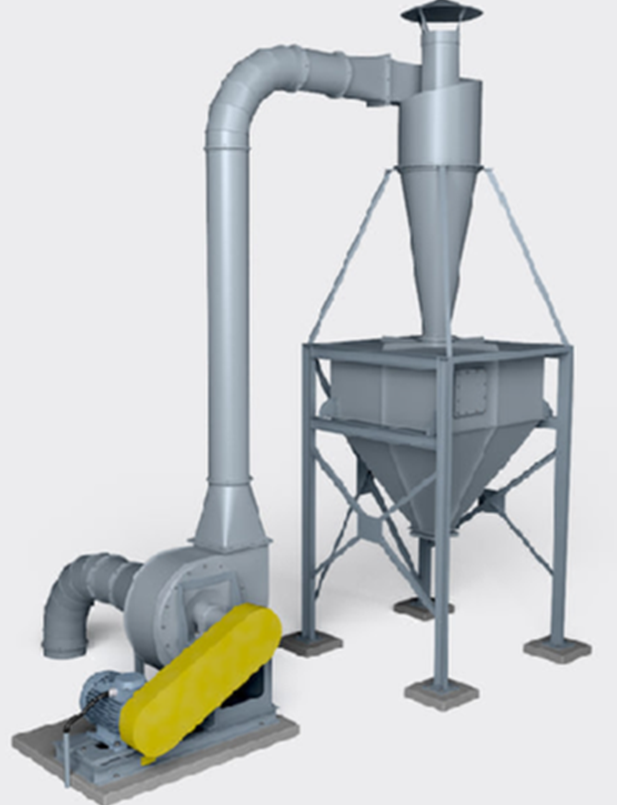
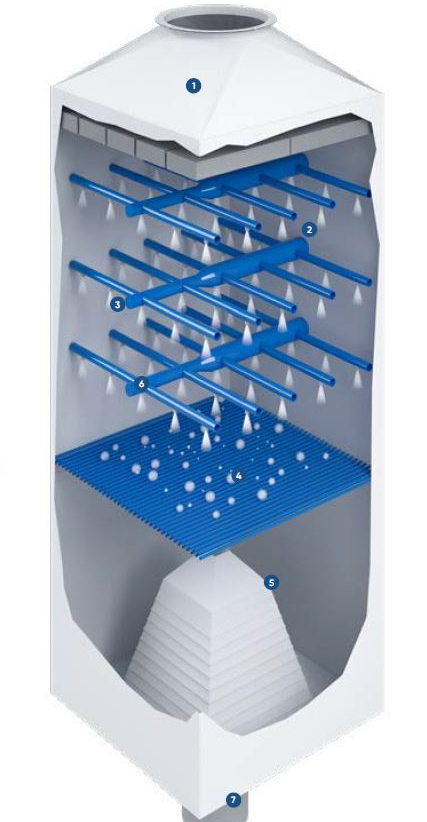
In terms of water treatment, the process includes pH correction and sedimentation tanks to remove solids and neutralize the effluent. Furthermore, air pollution is controlled using cyclone dust collectors and fabric baghouse filters to capture particulate matter. For NOx reduction, selective non-catalytic reduction (SNCR) systems are implemented.
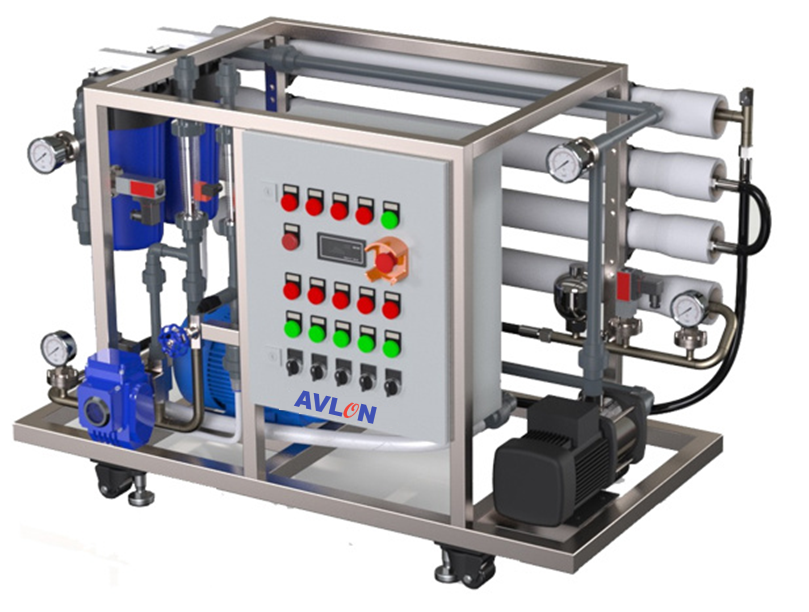
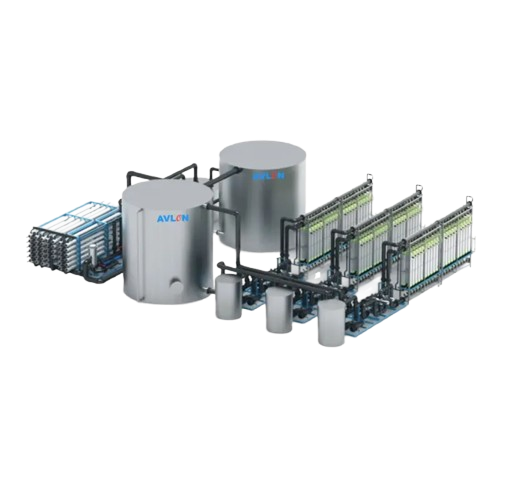
Avlon has extensive experience in supplying high-efficiency dust collection and water treatment systems for cement plants. Our equipment is designed to handle high dust loads and harsh operating conditions. In addition, it ensures reliable performance with minimal maintenance. Therefore, Avlon helps improve environmental compliance and operational efficiency. Partner with Avlon to clean your air and reuse your water—start today.
Gas Boiler Supplier
 Contact Us