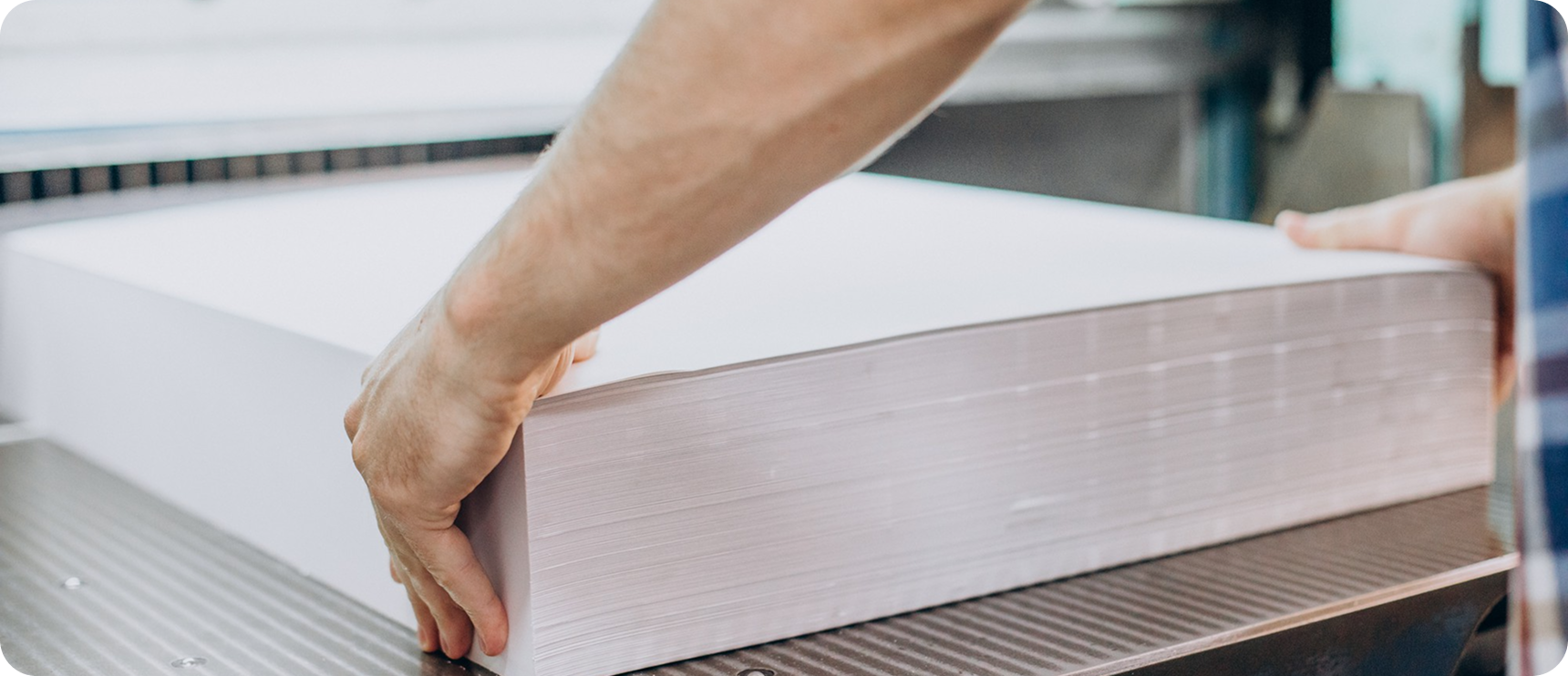
Pulp & paper industry
Wastewater Treatment Supplier in Philippines
The pulp and paper industry uses wood fiber, water, and chemicals to produce paper products. Key processes include pulping, bleaching, screening, and drying. As a result, these operations consume large volumes of water. In addition, they generate high-strength wastewater and process exhaust gases. Therefore, effective treatment systems are essential for environmental compliance.
Moreover, wastewater from this industry can contain Chemical Oxygen Demand (COD) up to 12,000 mg/L and Biological Oxygen Demand (BOD) up to 6,000 mg/L. It may also include Total Suspended Solids (TSS) exceeding 4,000 mg/L, along with chlorinated organics, sulfides, lignin, and phenolic compounds. The pH may vary due to caustic soda and bleaching chemicals. At the same time, air emissions include sulfur dioxide (SO₂), hydrogen sulfide (H₂S), particulate matter, and volatile organic compounds. As a result, both water and air treatment systems must be robust and efficient.
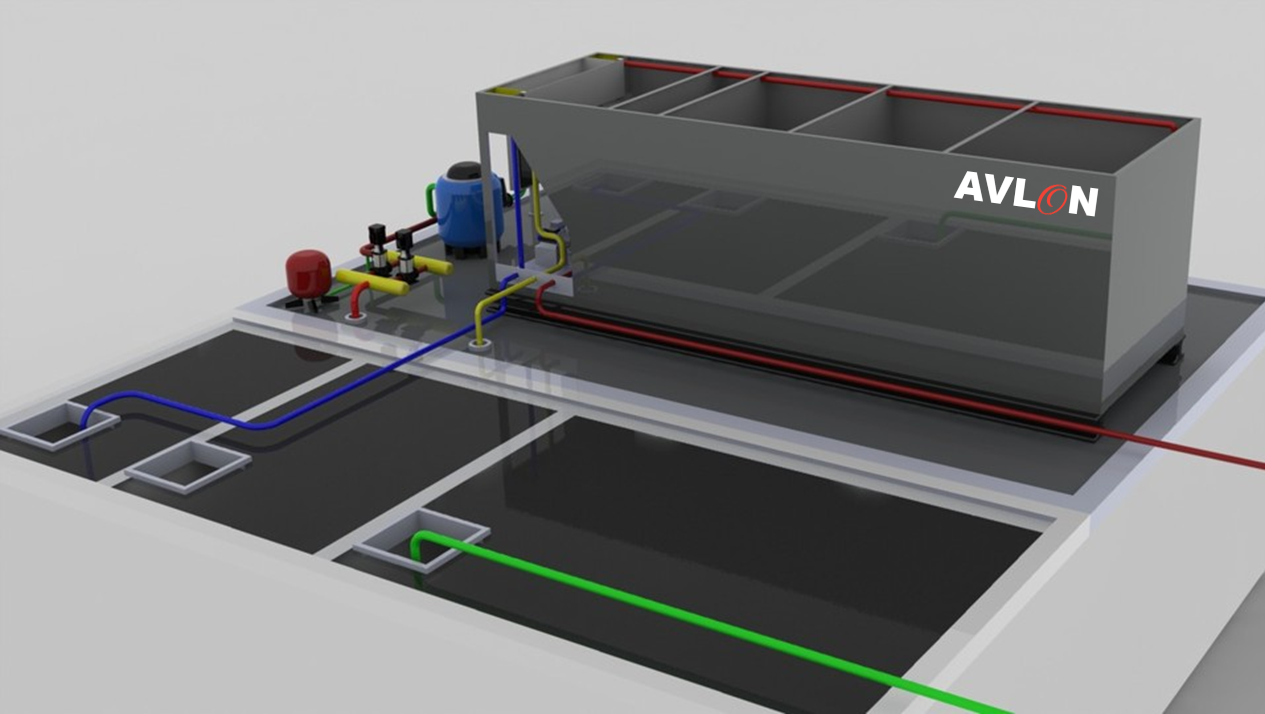
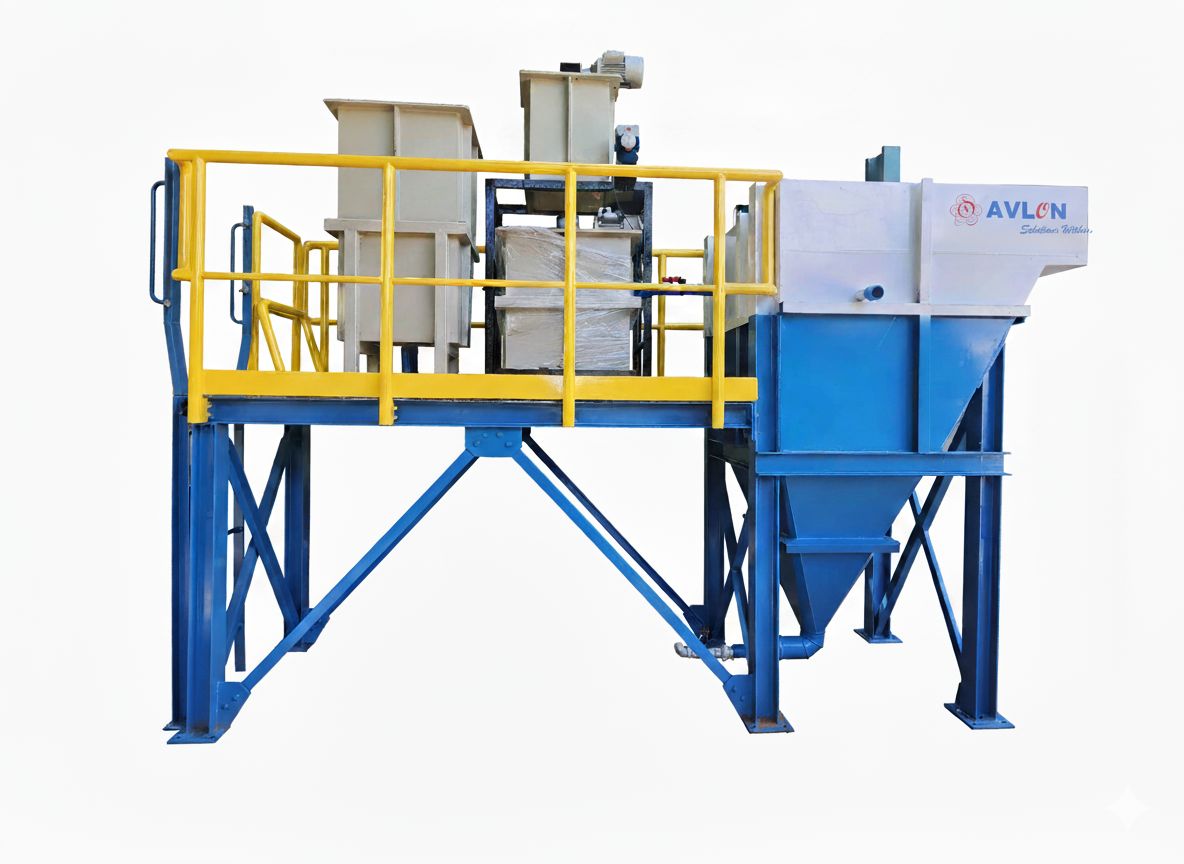
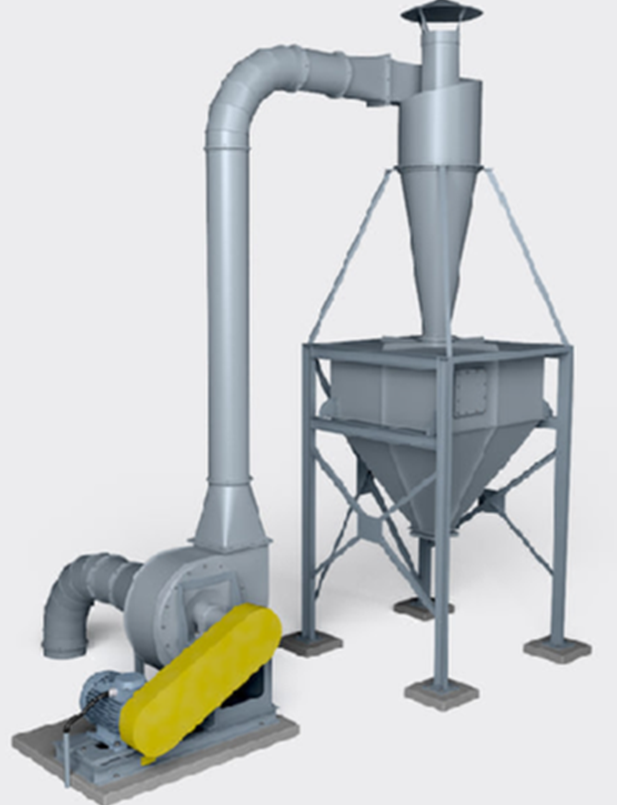
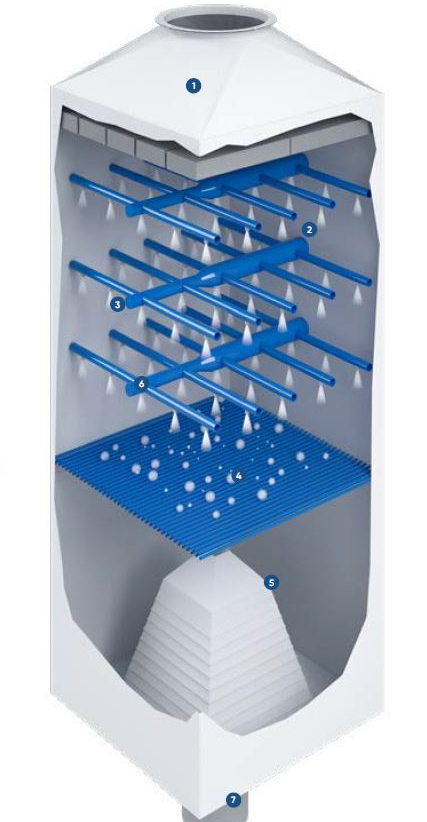
In terms of treatment, the process begins with primary sedimentation to remove bulk solids. This is followed by biological treatment, such as aerobic Moving Bed Biofilm Reactor (MBBR) or anaerobic digestion, to reduce BOD and COD. Furthermore, tertiary polishing using activated carbon or sand filtration removes residual color and organic compounds. For air treatment, multi-stage wet scrubbers, fabric bag filters, and acid gas absorbers are used to control emissions.
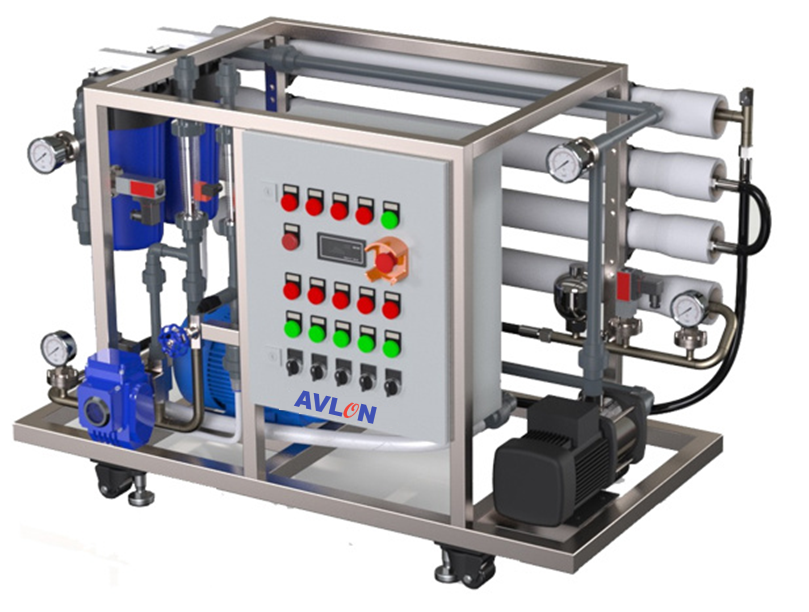
Avlon has extensive experience in delivering high-capacity treatment systems for pulp and paper mills. Our solutions are designed for large hydraulic loads, durability, and high automation. In addition, they ensure full environmental compliance and reliable performance. Therefore, Avlon helps improve operational efficiency and sustainability. Connect with Avlon for a customized system tailored to your flow and pollutant profile.
Wastewater Treatment Supplier
The pulp and paper industry uses wood fiber, water, and chemicals to produce paper products. Key processes include pulping, bleaching, screening, and drying. As a result, these operations consume large volumes of water. In addition, they generate high-strength wastewater and process exhaust gases. Therefore, effective treatment systems are essential for environmental compliance.
Moreover, wastewater from this industry can contain Chemical Oxygen Demand (COD) up to 12,000 mg/L and Biological Oxygen Demand (BOD) up to 6,000 mg/L. It may also include Total Suspended Solids (TSS) exceeding 4,000 mg/L, along with chlorinated organics, sulfides, lignin, and phenolic compounds. The pH may vary due to caustic soda and bleaching chemicals. At the same time, air emissions include sulfur dioxide (SO₂), hydrogen sulfide (H₂S), particulate matter, and volatile organic compounds. As a result, both water and air treatment systems must be robust and efficient.
In terms of treatment, the process begins with primary sedimentation to remove bulk solids. This is followed by biological treatment, such as aerobic Moving Bed Biofilm Reactor (MBBR) or anaerobic digestion, to reduce BOD and COD. Furthermore, tertiary polishing using activated carbon or sand filtration removes residual color and organic compounds. For air treatment, multi-stage wet scrubbers, fabric bag filters, and acid gas absorbers are used to control emissions.
Avlon has extensive experience in delivering high-capacity treatment systems for pulp and paper mills. Our solutions are designed for large hydraulic loads, durability, and high automation. In addition, they ensure full environmental compliance and reliable performance. Therefore, Avlon helps improve operational efficiency and sustainability. Connect with Avlon for a customized system tailored to your flow and pollutant profile.
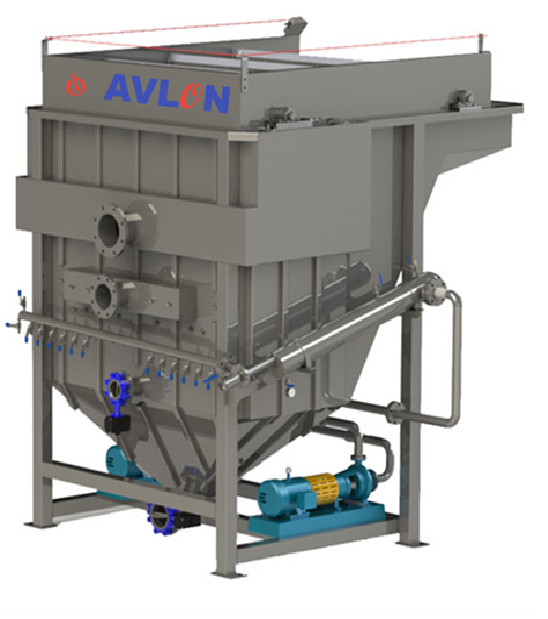
[caption id="attachment_1023" align="alignnone" width="266"]
Wastewater Treatment Supplier[/caption]