Pharmaceutical industry
Sunil Suresh Philippines
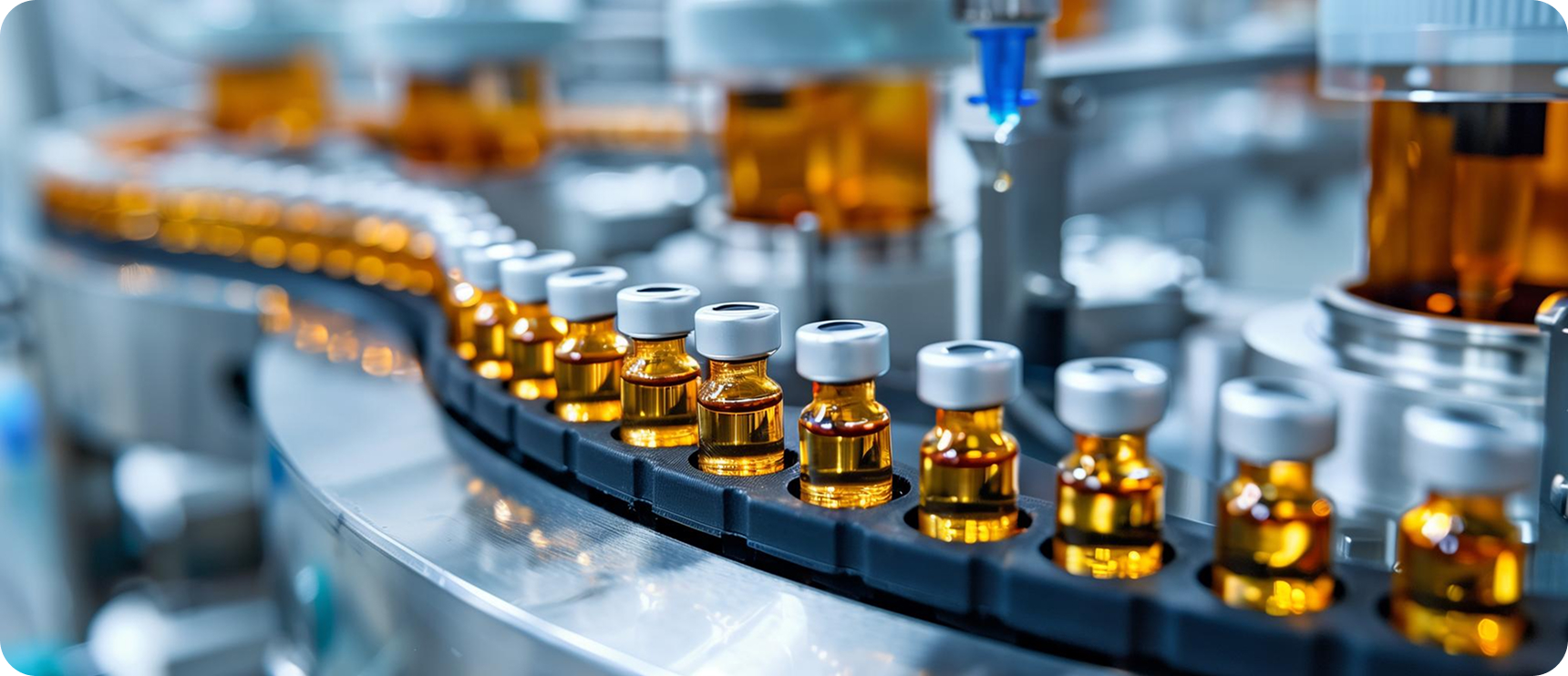
Pharmaceutical manufacturing involves chemical synthesis, mixing, extraction, and formulation. These processes use solvents and bioactive compounds. As a result, they generate significant water and air pollution. Wastewater is produced from reactor cleaning, floor washing, filtration systems, and reject streams. In addition, air emissions arise from drying, heating, and chemical handling operations. Therefore, advanced treatment systems are essential for compliance and safety.
Moreover, wastewater from pharmaceutical plants can contain Chemical Oxygen Demand (COD) up to 20,000 mg/L and Biological Oxygen Demand (BOD) up to 8,000 mg/L. It may also have Total Dissolved Solids (TDS) exceeding 10,000 mg/L, along with antibiotics, hormones, solvents, and heavy metals such as chromium and mercury. The pH can vary widely. At the same time, air emissions include volatile organic compounds (VOCs), acid vapors, and toxic fumes. As a result, both water and air treatment systems must be highly efficient and precise.
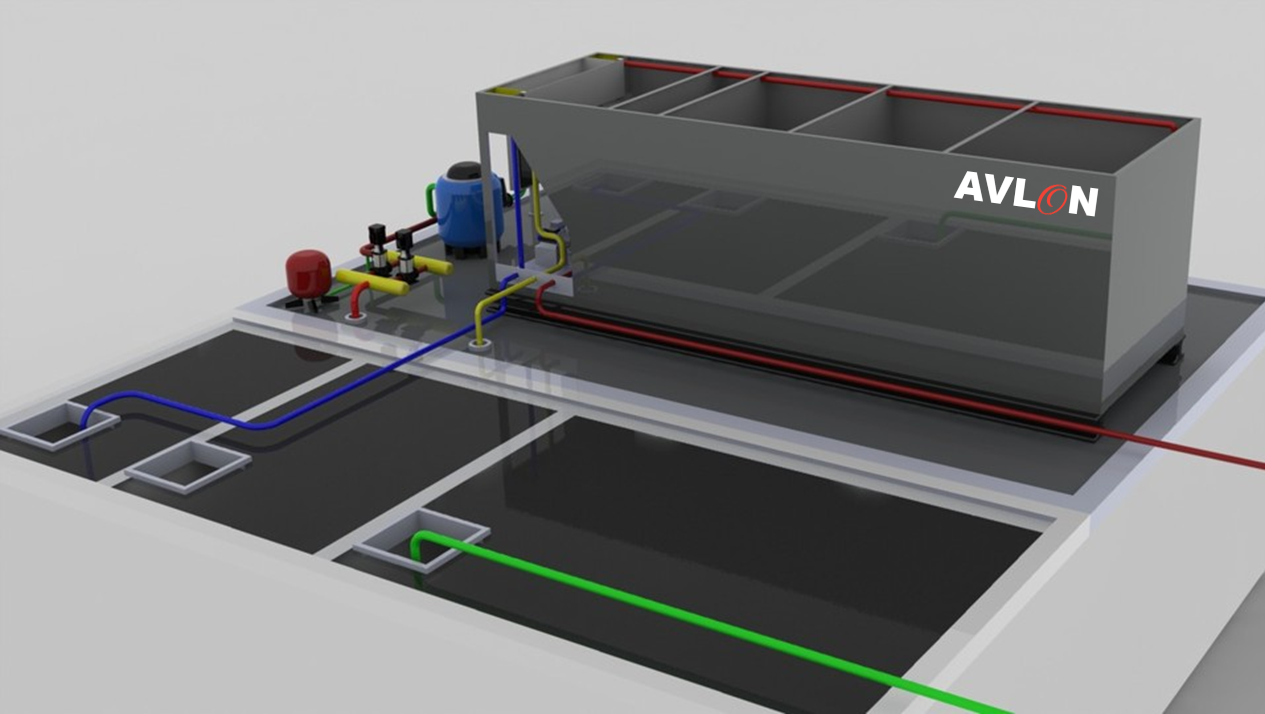
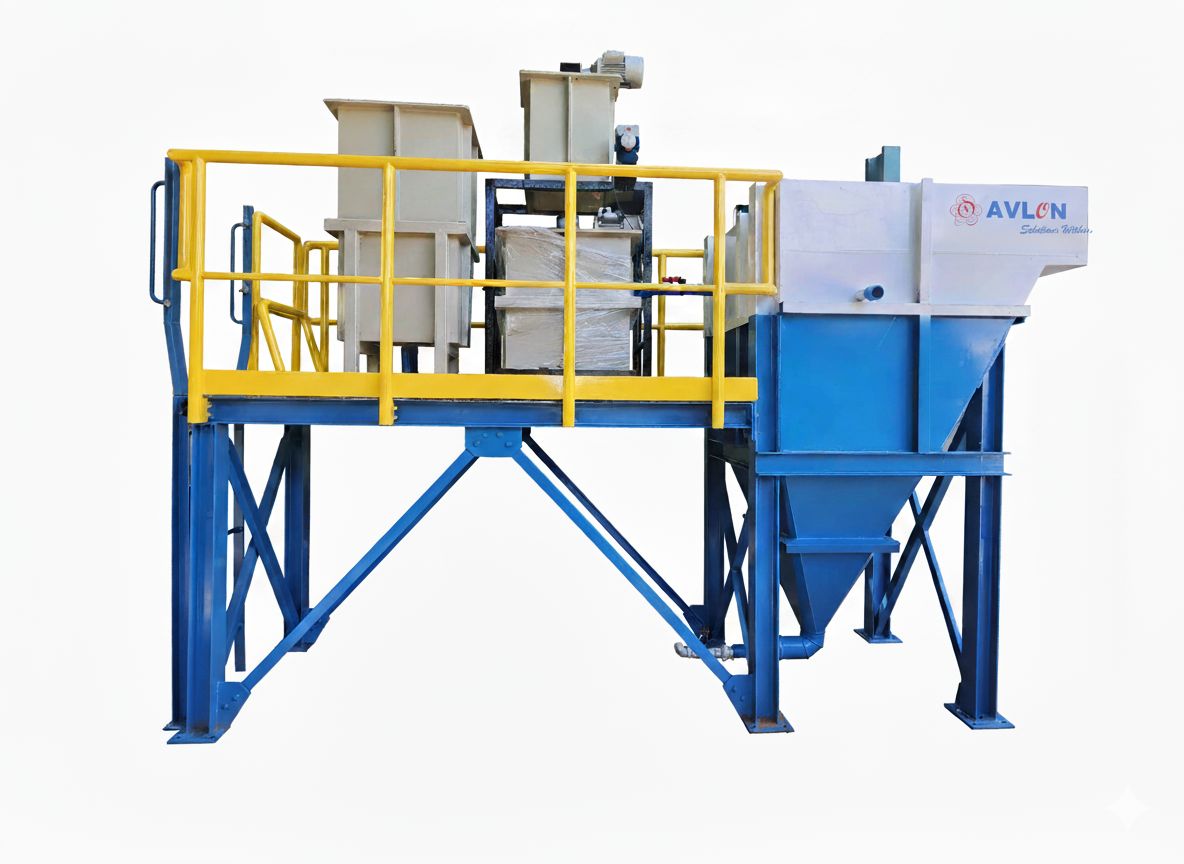
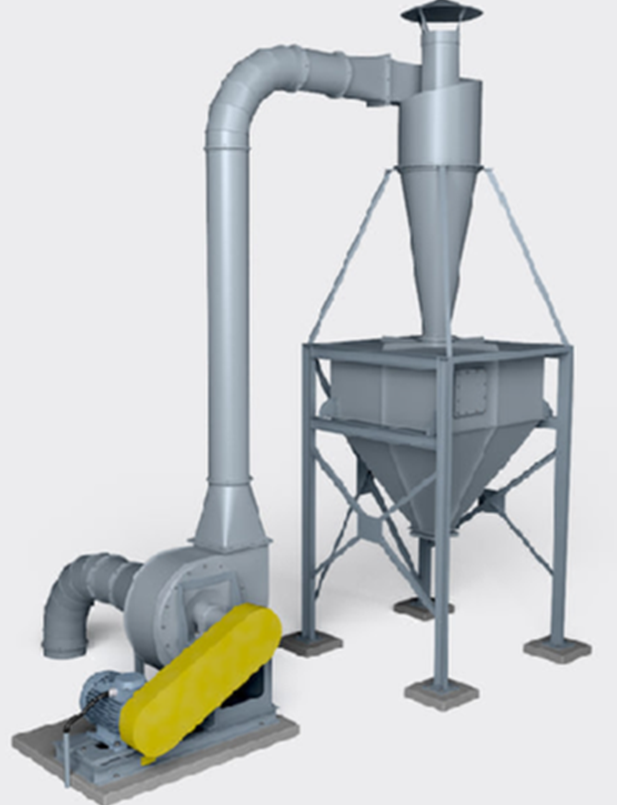
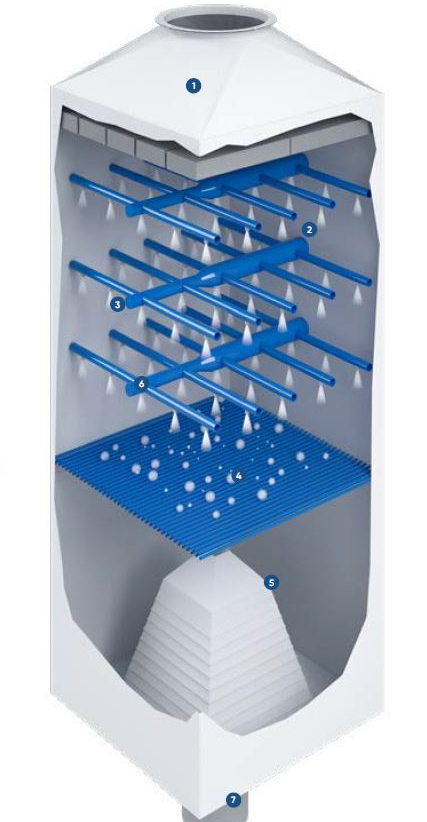
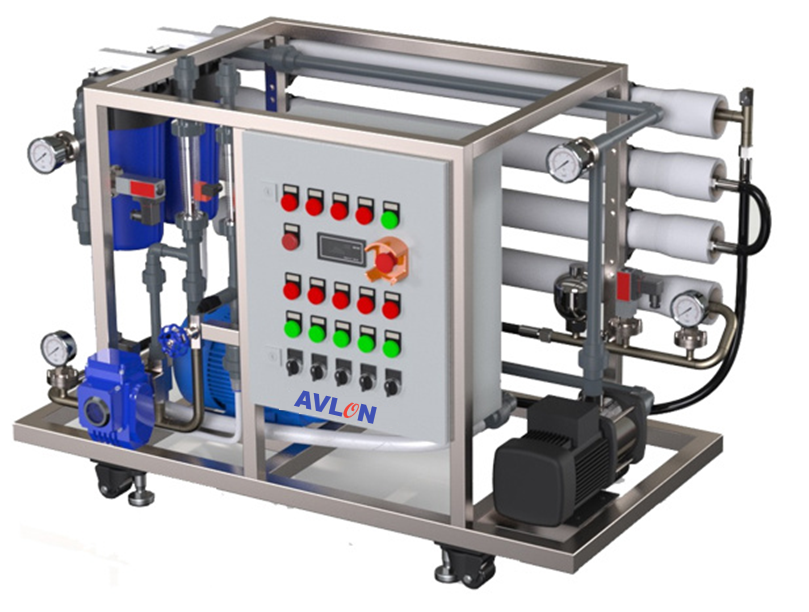
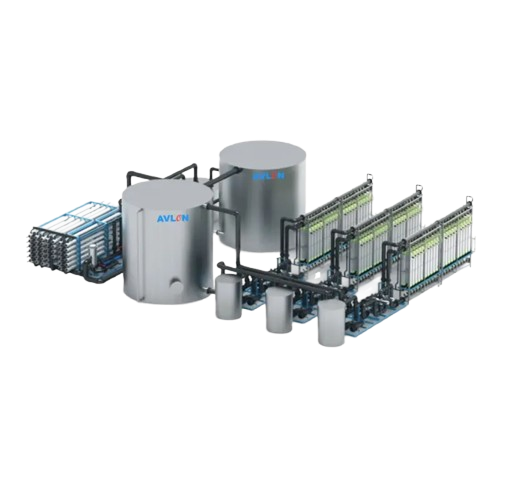
In terms of treatment, the process begins with electrocoagulation to remove colloidal and metallic contaminants. This is followed by an Advanced Oxidation Process (AOP), such as ozone or Fenton’s reaction, to break down complex pharmaceutical compounds. Furthermore, a Moving Bed Biofilm Reactor (MBBR) is used to reduce biological load and suspended solids. For air treatment, acid gas scrubbers, activated carbon filters, and HEPA systems are used to control VOCs, dust, and bioaerosols.
Avlon is a trusted provider of pharmaceutical-grade wastewater and air treatment solutions. Our systems are designed for high precision, durability, and low operating costs. In addition, we have successfully delivered solutions across major pharma manufacturing clusters. Therefore, Avlon ensures reliable performance and full regulatory compliance. Contact Avlon today for advanced, pharma-grade environmental solutions.
Sunil Suresh Philippines

Pharmaceutical manufacturing involves chemical synthesis, mixing, extraction, and formulation. These processes use solvents and bioactive compounds. As a result, they generate significant water and air pollution. Wastewater is produced from reactor cleaning, floor washing, filtration systems, and reject streams. In addition, air emissions arise from drying, heating, and chemical handling operations. Therefore, advanced treatment systems are essential for compliance and safety.
Moreover, wastewater from pharmaceutical plants can contain Chemical Oxygen Demand (COD) up to 20,000 mg/L and Biological Oxygen Demand (BOD) up to 8,000 mg/L. It may also have Total Dissolved Solids (TDS) exceeding 10,000 mg/L, along with antibiotics, hormones, solvents, and heavy metals such as chromium and mercury. The pH can vary widely. At the same time, air emissions include volatile organic compounds (VOCs), acid vapors, and toxic fumes. As a result, both water and air treatment systems must be highly efficient and precise.
In terms of treatment, the process begins with electrocoagulation to remove colloidal and metallic contaminants. This is followed by an Advanced Oxidation Process (AOP), such as ozone or Fenton’s reaction, to break down complex pharmaceutical compounds. Furthermore, a Moving Bed Biofilm Reactor (MBBR) is used to reduce biological load and suspended solids. For air treatment, acid gas scrubbers, activated carbon filters, and HEPA systems are used to control VOCs, dust, and bioaerosols.
Avlon is a trusted provider of pharmaceutical-grade wastewater and air treatment solutions. Our systems are designed for high precision, durability, and low operating costs. In addition, we have successfully delivered solutions across major pharma manufacturing clusters. Therefore, Avlon ensures reliable performance and full regulatory compliance. Contact Avlon today for advanced, pharma-grade environmental solutions.
[caption id="attachment_1127" align="alignnone" width="300"]
Sunil Suresh Philippines[/caption]
Contact Us