Textile & Garment industry
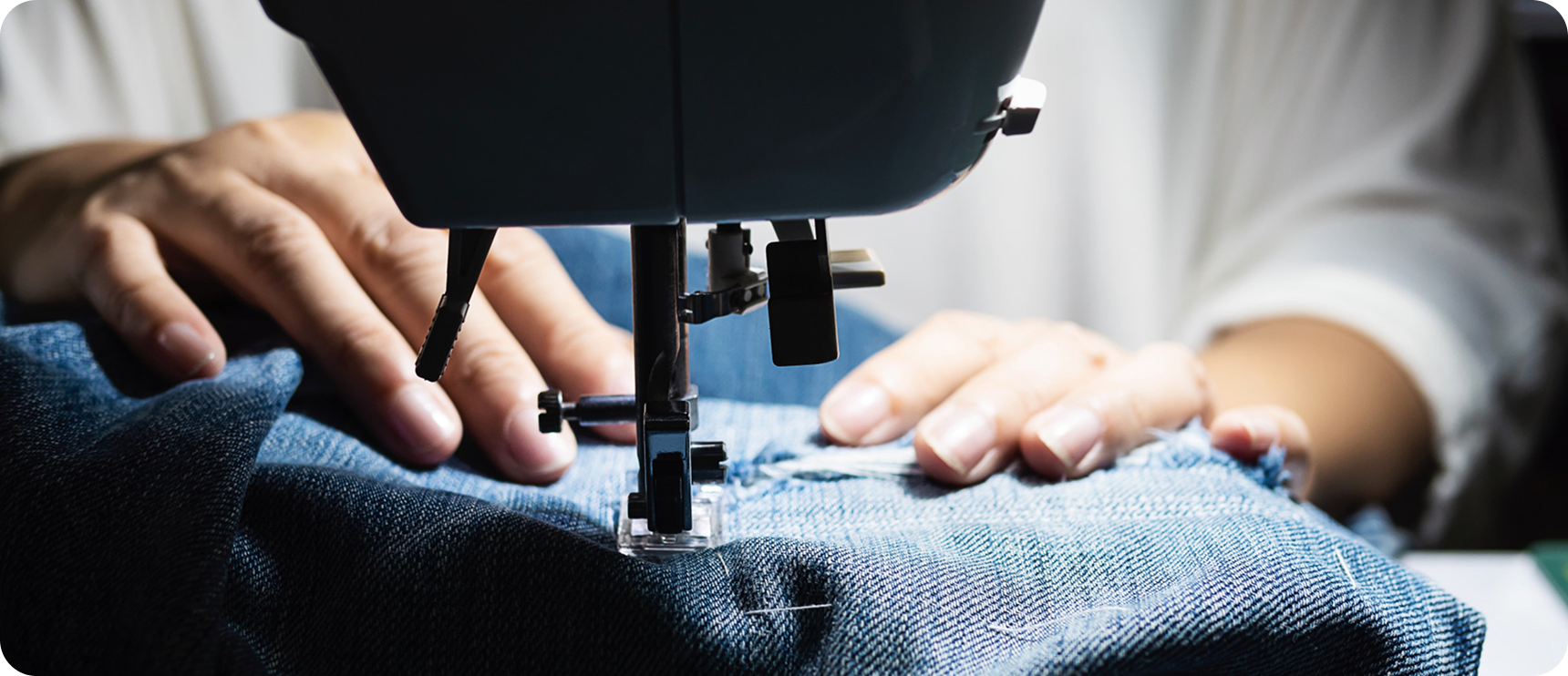
Textile and garment manufacturing involves desizing, scouring, bleaching, dyeing, printing, and finishing of fabrics—each process using large volumes of water and chemicals. Wastewater is generated through fabric washing, chemical baths, and rinsing. Air pollution occurs from dye drying, printing fumes, and steam boilers.
The effluent from textile plants can exhibit COD levels up to 10,000 mg/L, BOD up to 5,000 mg/L, color intensity, pH as low as 3 or as high as 11, and high concentrations of sodium sulfate, surfactants, heavy metals (e.g., chromium from dyes), and oil and grease. Air emissions include formaldehyde vapors, ammonia, and volatile dye particles.
Effective wastewater treatment begins with Equalization and pH neutralization, followed by Electrocoagulation to remove color and suspended dyes. This is followed by biological treatment using Moving Bed Biofilm Reactors (MBBR) to remove BOD and COD. Finally, Activated Carbon Filtration polishes the water by removing residual organics and odor. Air emissions are treated using chemical scrubbers, odor control units, and mist eliminators for dye vapors.
Avlon brings deep expertise in handling complex textile wastewater with high variability. Our modular and skid-mounted systems are trusted by leading textile mills in the Philippines and Southeast Asia. Speak to Avlon today to upgrade your plant with smart, compliant environmental technology.
Contact Us